
Graduation marks both a thrilling and overwhelming turning point. The moment the cap is tossed, many feel a mixture of excitement for the future and anxiety about what comes next.
It’s easy to focus only on obvious milestones like securing a job or finding a place to live, yet there are often-overlooked areas that can influence long-term success.
Attention to emotional transitions, life logistics, financial stability, career flexibility, and personal growth can create a smoother path into post-graduate life.
With thoughtful preparation, the shift can be less daunting and far more rewarding.
Practical Life Logistics Students Overlook
Post-graduation life demands attention to details that are easy to ignore during the excitement of leaving school.
Overlooking these can cause unnecessary stress or financial setbacks.
Tackling them early ensures a smoother start to this new stage.
Administrative Wrap-Up
Closing out academic and student-related accounts prevents future complications.
Common tasks often forgotten include:
- Deregistering from the university system.
- Finalizing graduate student loans and confirming repayment terms.
- Closing or converting student bank accounts to standard accounts.
- Cancelling subscriptions tied to student discounts to avoid surprise charges.
Relocation & Housing
Finding a suitable place to live takes time and research.
Last-minute housing hunts often lead to compromises or higher costs.
Important housing steps include:
- Beginning the search months in advance.
- Understanding rental agreements, tenant rights, and local housing laws.
- Preparing necessary documents, such as proof of income and references, before applying.
- Visiting neighborhoods, if possible, to gauge convenience and safety.
Healthcare & Insurance
Health coverage should not lapse during the transition to post-graduate life.
Those relocating, especially internationally, must ensure continuous access to care.
Key considerations include:
- Comparing employer-provided benefits with private options.
- Researching eligibility for government support programs.
- Confirming coverage start dates to avoid gaps in protection.
Financial Foundations Beyond a Paycheck

Financial health after graduation depends on more than earning a salary.
Developing strong money management skills early on provides stability and supports future goals.
Building Financial Literacy
Learning about taxes, credit scores, retirement savings, and investments soon after graduation can create long-term advantages.
Avoiding lifestyle inflation by resisting the urge to spend excessively helps grow savings and investments.
A strong grasp of these concepts leads to better decision-making when financial challenges arise.
Budgeting & Debt Management
A realistic budget that reflects actual living expenses prevents the accumulation of unnecessary debt.
Student loan repayment strategies should be based on careful analysis of interest rates, repayment terms, and income stability.
Emergency Fund Planning
Unexpected expenses or job interruptions can happen at any time.
Building an emergency fund creates a buffer that reduces reliance on high-interest credit cards.
Even small, regular contributions can grow into a financial safety net over time, offering peace of mind in uncertain situations.
Emotional & Identity Transition

Many graduates feel pressured to believe college represents the best years of life, but holding on to that belief can be limiting.
Life after graduation can bring equally rewarding experiences, if not more so, by offering fresh challenges, independence, and personal milestones.
Replacing nostalgia with a forward-focused mindset creates space for growth.
A practical way to shift perspective is to list opportunities waiting ahead, such as:
- Pursuing advanced studies or specialized training
- Starting a business or creative project
- Traveling to new destinations
- Building meaningful relationships in professional and social circles
Redefining Success
Societal or peer-driven definitions of success often emphasize salary, job titles, and city lifestyles.
Examples of alternative success measures include:
- Achieving work-life balance with flexible hours
- Gaining creative autonomy in a chosen field
- Living in a location that supports personal well-being
- Contributing to a cause that aligns with personal values
Coping with Friendship Changes
Graduation often shifts social dynamics as friends move to different cities or countries.
Accepting that some relationships will fade while making an effort to cultivate new ones can keep social life vibrant.
Intentional networking and community involvement are essential.
Strategies that help during this transition include:
- Joining local interest or hobby groups
- Participating in alumni events
- Volunteering for community projects
- Staying connected through regular virtual check-ins with old friends
Career Pathway Pitfalls
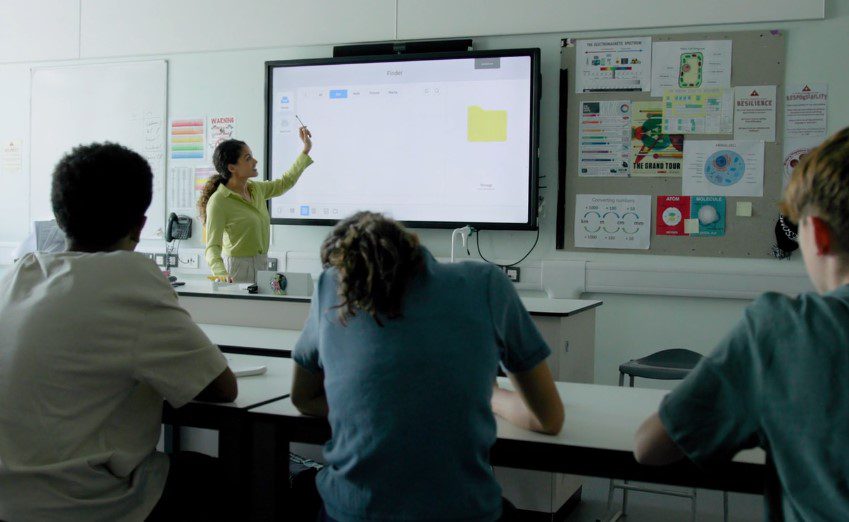
The first steps into the professional world can feel like the most important decisions of a lifetime, yet flexibility is often the key to long-term satisfaction.
Early career choices are rarely permanent, and new opportunities can emerge unexpectedly.
Your First Job Is Not Forever
Treating the initial role as an opportunity to learn rather than a permanent destination reduces pressure.
Experience gained in one position can open unexpected doors to new industries or roles.
Accepting that change is part of growth allows graduates to adapt and explore a variety of career paths.
Underutilized Opportunities
Many graduates overlook options outside traditional employment.
Research assistantships, post-graduation internships, apprenticeships, teaching abroad, and structured gap-year programs can all add valuable skills and experiences.
These paths can provide a competitive advantage and broaden professional horizons.
Networking Beyond LinkedIn
Online networking tools are useful, but personal connections often prove more impactful.
Alumni networks, industry-specific meetups, and professional associations offer in-person engagement that builds stronger professional relationships.
Consistent involvement in these communities can lead to valuable career leads and collaborations.
Personal Development Gaps

Growth after graduation extends into personal life just as much as professional life.
Skills like adaptability, emotional intelligence, and resilience can influence long-term happiness and success as much as a career milestone.
Maintaining curiosity, practicing self-reflection, and embracing change can create a foundation that supports both professional ambitions and personal fulfillment.
Continuous learning remains an essential tool in staying competitive and feeling engaged. Education does not conclude once a diploma is in hand; it evolves into a more self-directed form.
Graduates who invest in their own growth through online courses, specialized workshops, or personal projects often find themselves more adaptable when opportunities shift.
For example:
- Enrolling in short courses to learn technical or creative skills.
- Participating in workshops or conferences relevant to personal interests.
- Starting side projects that encourage innovation and problem-solving.
- Volunteering in areas unrelated to a career can help develop fresh perspectives.
Self-awareness plays a central role in shaping the next chapter. Without intentional reflection, it’s easy to drift toward goals that no longer hold meaning.
Practices such as maintaining a joy journal, compiling lists of personal strengths, and reviewing progress quarterly can help realign choices with current values.
Failure is an unavoidable part of any path forward, but the way it is approached determines how quickly momentum is regained.
Treating failure as feedback creates a mindset that looks for opportunity in challenge.
Strategies that can help include:
- Analyzing what worked and what can be improved without self-blame.
- Seeking mentorship to gain insight after a setback.
- Setting small, achievable goals to rebuild confidence.
- Viewing each challenge as a stepping stone toward the refinement of skills.
Summary
Post-graduation life offers a launchpad for building the future on personal terms.
Balancing strategic preparation with openness to change ensures smoother transitions and greater adaptability.
Every graduate can shape a path aligned with their evolving values, ambitions, and experiences.