Global education systems reveal more than classroom dynamics; they reflect national priorities, economic resilience, and social progress. Across 2025’s rankings, familiar leaders reappear at the top, yet disparities remain stark.
Countries like the United States and the United Kingdom maintain dominance in institutional reputation and accessibility. Still, such acclaim contrasts with their standardized student performance, particularly in STEM subjects.
Among nations traditionally scoring high in literacy and public investment, such as Finland, Japan, and South Korea, performance metrics align more closely with outcomes. In contrast, developing nations continue grappling with systemic barriers: underfunded schools, political instability, and teacher shortages.
Educational strength correlates strongly with GDP per capita, but outliers remain. According to a ResearchGate study, Singapore and Estonia punch far above their economic weight, driven by strategic reforms and data-driven pedagogy.
By contrast, populous nations like India and Brazil face scale-related hurdles that complicate reform, even as enrollment rates rise.
Each ranking presented combines distinct methodologies, some driven by public perception, others by statistical benchmarks. Together, they offer a composite view: not of perfection, but of priorities.
Where a country places in 2025 says as much about its future prospects as it does its current capabilities.
Let us talk about it in greater detail.
Top Countries with Leading Education Systems in 2025
| Rank | Country | Current Year Rank | Previous Year Rank |
|---|---|---|---|
| 1 | South Korea | 1 | 19 |
| 2 | Denmark | 2 | 10 |
| 3 | Netherlands | 3 | 11 |
| 4 | Belgium | 4 | 18 |
| 5 | Slovenia | 5 | 45 |
| 6 | Japan | 6 | 6 |
| 7 | Germany | 7 | 3 |
| 8 | Finland | 8 | 12 |
| 9 | Norway | 9 | 13 |
| 10 | Ireland | 10 | 21 |
| 11 | Singapore | 11 | 20 |
| 12 | United Kingdom | 12 | 2 |
| 13 | China | 13 | 23 |
| 14 | Hong Kong | 14 | – |
| 15 | Sweden | 15 | 9 |
| 16 | France | 16 | 5 |
| 17 | Australia | 17 | 8 |
| 18 | Iceland | 18 | – |
| 19 | Canada | 19 | 4 |
| 20 | Spain | 20 | 17 |
| 21 | Israel | 21 | 26 |
| 22 | Russia | 22 | 27 |
| 23 | Poland | 23 | 25 |
| 24 | Portugal | 24 | 24 |
| 25 | Latvia | 25 | 55 |
| 26 | Estonia | 26 | 42 |
| 27 | New Zealand | 27 | 15 |
| 28 | Switzerland | 28 | 7 |
| 29 | Lithuania | 29 | 60 |
| 30 | Hungary | 30 | 36 |
| 31 | United States | 31 | 1 |
| 32 | Taiwan | 32 | – |
| 33 | Greece | 33 | 29 |
| 34 | Czech Republic | 34 | 31 |
| 35 | Austria | 35 | 16 |
| 36 | Italy | 36 | 14 |
| 37 | Turkey | 37 | 30 |
| 38 | Argentina | 38 | 35 |
| 39 | Mexico | 39 | 40 |
| 40 | Chile | 40 | 49 |
| 41 | Slovakia | 41 | 50 |
| 42 | Luxembourg | 42 | 22 |
| 43 | Kazakhstan | 43 | 78 |
| 44 | Costa Rica | 44 | 62 |
| 45 | Saudi Arabia | 45 | 38 |
| 46 | Grenada | 46 | – |
| 47 | Brunei | 47 | – |
| 48 | San Marino | 48 | – |
| 49 | Fiji | 49 | – |
| 50 | Samoa | 50 | – |
| 51 | Seychelles | 51 | – |
| 52 | Mongolia | 52 | – |
| 53 | Vietnam | 53 | 65 |
| 54 | Ecuador | 54 | 73 |
| 55 | Malta | 55 | – |
| 56 | Nepal | 56 | – |
| 57 | Belarus | 57 | 64 |
| 58 | Oman | 58 | 63 |
| 59 | Saint Kitts and Nevis | 59 | – |
| 60 | Maldives | 60 | – |
| 61 | Sri Lanka | 61 | 79 |
| 62 | Macau | 62 | – |
| 63 | Uzbekistan | 63 | 80 |
| 64 | Kyrgyzstan | 64 | – |
| 65 | Saint Vincent and the Grenadines | 65 | – |
| 66 | Albania | 66 | – |
| 67 | Indonesia | 67 | 58 |
| 68 | Serbia | 68 | 57 |
| 69 | Timor Leste | 69 | – |
| 70 | Georgia | 70 | – |
| 71 | Philippines | 71 | 52 |
| 72 | Kiribati | 72 | – |
| 73 | Algeria | 73 | 67 |
| 74 | Colombia | 74 | 54 |
| 75 | Antigua and Barbuda | 75 | – |
| 76 | Croatia | 76 | 46 |
| 77 | Peru | 77 | 68 |
| 78 | Mauritius | 78 | – |
| 79 | Gibraltar | 79 | – |
| 80 | Montenegro | 80 | – |
| 81 | Iran | 81 | 81 |
| 82 | Bahrain | 82 | 59 |
| 83 | Liechtenstein | 83 | – |
| 84 | Egypt | 84 | 37 |
| 85 | Belize | 85 | – |
| 86 | Azerbaijan | 86 | 66 |
| 87 | Tajikistan | 87 | – |
| 88 | Bhutan | 88 | – |
| 89 | Malaysia | 89 | 39 |
| 90 | Kenya | 90 | 70 |
| 91 | Qatar | 91 | 33 |
| 92 | Nauru | 92 | – |
| 93 | Kuwait | 93 | – |
| 94 | Dominica | 94 | – |
| 95 | Bolivia | 95 | – |
| 96 | Dominican Republic | 96 | 69 |
| 97 | Saint Lucia | 97 | – |
| 98 | Armenia | 98 | – |
| 99 | Romania | 99 | 43 |
| 100 | British Virgin Islands | 100 | – |
| 101 | India | 101 | 34 |
| 102 | Laos | 102 | 88 |
| 103 | Uruguay | 103 | 61 |
| 104 | Tunisia | 104 | 72 |
| 105 | Eswatini | 105 | – |
| 106 | Ghana | 106 | 77 |
| 107 | Thailand | 107 | 44 |
| 108 | Moldova | 108 | – |
| 109 | Myanmar | 109 | 74 |
| 110 | North Korea | 110 | – |
| 111 | Venezuela | 111 | 98 |
| 112 | El Salvador | 112 | 90 |
| 113 | Morocco | 113 | 56 |
| 114 | South Africa | 114 | 41 |
| 115 | Jamaica | 115 | 89 |
| 116 | Panama | 116 | 75 |
| 117 | Solomon Islands | 117 | 77 |
| 118 | Cape Verde | 118 | 91 |
| 119 | Sao Tome and Principe | 119 | 94 |
| 120 | Cambodia | 120 | 83 |
| 121 | Togo | 121 | 67 |
| 122 | Bangladesh | 122 | 75 |
| 123 | Papua New Guinea | 123 | 64 |
| 124 | Tuvalu | 124 | – |
| 125 | Sierra Leone | 125 | 49 |
| 126 | Guatemala | 126 | 84 |
| 127 | Jordan | 127 | 98 |
| 128 | Suriname | 128 | 95 |
| 129 | Lesotho | 129 | 82 |
| 130 | Benin | 130 | 47 |
| 131 | Yemen | 131 | 70 |
| 132 | Honduras | 132 | 76 |
| 133 | Rwanda | 133 | 76 |
| 134 | Bulgaria | 134 | 51 |
| 135 | Ivory Coast | 135 | 90 |
| 136 | Pakistan | 136 | 58 |
| 137 | Djibouti | 137 | – |
| 138 | Sudan | 138 | 61 |
| 139 | Mauritania | 139 | 67 |
| 140 | Barbados | 140 | 100 |
| 141 | Cameroon | 141 | 78 |
| 142 | Eritrea | 142 | 77 |
| 143 | Burkina Faso | 143 | 34 |
| 144 | Cuba | 144 | 100 |
| 145 | Brazil | 145 | 32 |
| 146 | Afghanistan | 146 | 37 |
| 147 | Niger | 147 | 38 |
| 148 | Madagascar | 148 | 77 |
| 149 | Tanzania | 149 | 82 |
| 150 | Liberia | 150 | 48 |
| 151 | Burundi | 151 | 76 |
| 152 | Comoros | 152 | 62 |
| 153 | Marshall Islands | 153 | 98 |
| 154 | Senegal | 154 | 58 |
| 155 | Mali | 155 | 31 |
| 156 | Uganda | 156 | 81 |
| 157 | Bahamas | 157 | – |
| 158 | Gambia | 158 | 59 |
| 159 | Mozambique | 159 | 63 |
| 160 | Chad | 160 | 27 |
| 161 | Central African Republic | 161 | 37 |
| 162 | Guinea | 162 | 45 |
| 163 | Cyprus | 163 | 99 |
| 164 | United Arab Emirates | 164 | 98 |
| 165 | Aruba | 165 | 98 |
| 166 | Ukraine | 166 | 100 |
| 167 | North Macedonia | 167 | 98 |
| 168 | Niue | 168 | – |
| 169 | Turkmenistan | 169 | 99 |
| 170 | Trinidad and Tobago | 170 | 98 |
| 171 | Guyana | 171 | – |
| 172 | Puerto Rico | 172 | 92 |
| 173 | Palau | 173 | 97 |
| 174 | Lebanon | 174 | 71 |
| 175 | Bosnia and Herzegovina | 175 | 98 |
| 176 | Malawi | 176 | 68 |
| 177 | Namibia | 177 | 92 |
| 178 | Vanuatu | 178 | 89 |
| 179 | Ethiopia | 179 | 52 |
| 180 | Paraguay | 180 | 95 |
| 181 | Palestine | 181 | – |
| 182 | Tonga | 182 | 99 |
| 183 | Bermuda | 183 | – |
| 184 | Republic of the Congo | 184 | 81 |
| 185 | Botswana | 185 | 89 |
| 186 | Equatorial Guinea | 186 | 95 |
| 187 | Libya | 187 | 91 |
| 188 | Iraq | 188 | – |
| 189 | Nicaragua | 189 | 83 |
| 190 | Micronesia | 190 | – |
| 191 | Nigeria | 191 | 62 |
| 192 | Zimbabwe | 192 | 90 |
| 193 | Haiti | 193 | 62 |
| 194 | Gabon | 194 | 86 |
| 195 | Guinea Bissau | 195 | 54 |
| 196 | Angola | 196 | 72 |
| 197 | Syria | 197 | 86 |
| 198 | Zambia | 198 | 88 |
| 199 | DR Congo | 199 | 81 |
| 200 | Andorra | 200 | 100 |
| 201 | South Sudan | 201 | 35 |
| 202 | Somalia | 202 | 41 |
| 203 | New Caledonia | 203 | 97 |
| 204 | Guam | 204 | 100 |
| 205 | Cayman Islands | 205 | 99 |
| 206 | Greenland | 206 | 100 |
| 207 | American Samoa | 207 | 97 |
*According to WorldPopulation Review
The Bedrock of South Korean Dominance
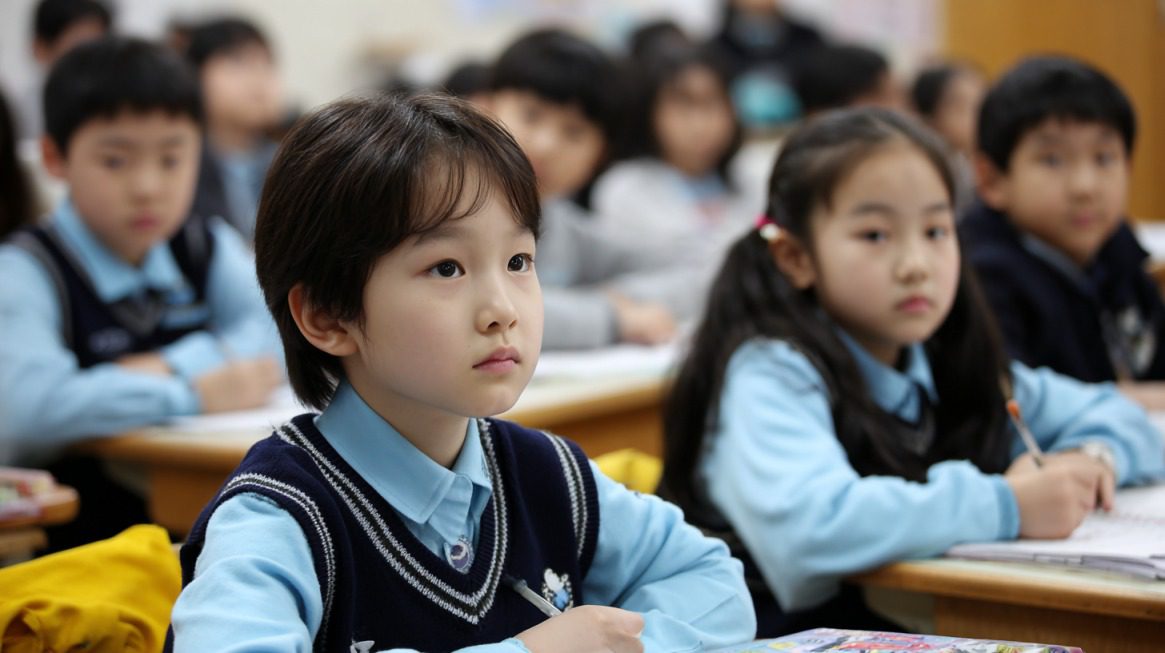
South Korea’s globally recognized educational success is underpinned by a deep-rooted cultural reverence for academic achievement as the primary engine of social mobility and economic advancement. In Korean society, success in education equates to elevated family prestige, secure employment, and long-term financial stability.
The Suneung, South Korea’s grueling College Scholastic Ability Test, is a national event so important that flights are grounded and businesses adjust their operations to ensure a distraction-free environment for test-takers.
Admission to the elite SKY universities (Seoul National University, Korea, and Yonsei) is viewed as a life-defining accomplishment, opening the doors to Korea’s most prestigious employers and social circles.
This fierce educational drive is further fueled by the values of Neo-Confucianism, which emphasizes not just individual knowledge but the collective elevation of the family through education. As a result, academic achievement becomes a communal pursuit.
Parents, particularly mothers, nicknamed “Pig Mums”, take active roles in micromanaging their children’s academic trajectories.
These mothers strategize enrollment in elite private academies, coordinate extracurricular studies, and often spend considerable financial resources to secure academic advantages for their children.
High Performance, High Pressure
South Korean students consistently score among the highest globally in international assessments such as PISA, especially in subjects like mathematics and reading.
According to InterNations, students often spend 12 to 16 hours a day engaged in academic activities, splitting their time between regular school and private tutoring centers known as hagwons.
It is estimated that over 75% of students attend these academies, with households allocating an average of 10–20% of their income to after-school education, more than they spend on food or housing in some cases.
But the pursuit of academic excellence comes at a cost. The system is criticized for its rigidity, competitiveness, and emotional toll on students.
South Korea has one of the highest youth suicide rates among OECD countries, and studies consistently show high levels of stress and low levels of life satisfaction among its youth. Despite the promise of upward mobility, the system has inadvertently exacerbated social inequalities.
Wealthier families can afford premium tutoring services and access to elite hagwons, while poorer students are often left behind, highlighting a growing gap in educational opportunity.
A Tech-Powered Transformation
While traditional academic rigor remains central to its educational framework, South Korea is also leading a quiet revolution in the digital transformation of education.
- Artificial intelligence (AI)
- Virtual and augmented reality (VR/AR)
- Adaptive learning platforms in everyday learning
Backed by substantial public investment, more than $276 million allocated for classroom digitization, South Korea is building the infrastructure for personalized, accessible, and future-ready education.
The country’s EdTech landscape is thriving, with numerous success stories emerging from robust public-private partnerships. Companies like Riiid provide AI-driven learning solutions that adapt to individual student needs, while Knowre’s adaptive math programs have garnered international recognition.
Innovations such as Tella’s chat-based English platform and Kitkit School’s inclusive educational app for under-resourced children are not only transforming learning within Korea but are also being exported globally.
The Global Influence and Cautionary Tale
@koreanclassjoshuacho Grade levels in Korea #KoreanClassWithJoshuaCho #DailyKoreanEssentials #KoreanLanguage #KoreanClass ♬ original sound – Korean Class Joshua
South Korea’s educational achievements continue to draw admiration from around the world. Leaders and policymakers, from U.S. presidents to education reformers in Europe, frequently cite the “Asian Model” as a blueprint for revitalizing lagging school systems.
However, despite its academic successes, South Korea’s system serves as a cautionary tale about the human cost of hyper-competitive education.
Issues like youth mental health crises, low birth rates (at 0.78 children per woman, the world’s lowest), and economic overqualification, where nearly 70% of workers hold university degrees, often for jobs that don’t require them, highlight the need for reform.
Recent policy efforts, such as eliminating “killer questions” from the Suneung and increasing scholarships for students in non-metropolitan areas, indicate the government’s awareness of these systemic challenges.
Yet, deep cultural values, economic pressures, and entrenched educational expectations make meaningful reform complex and slow-moving.
Denmark’s Holistic and Egalitarian Approach to Education
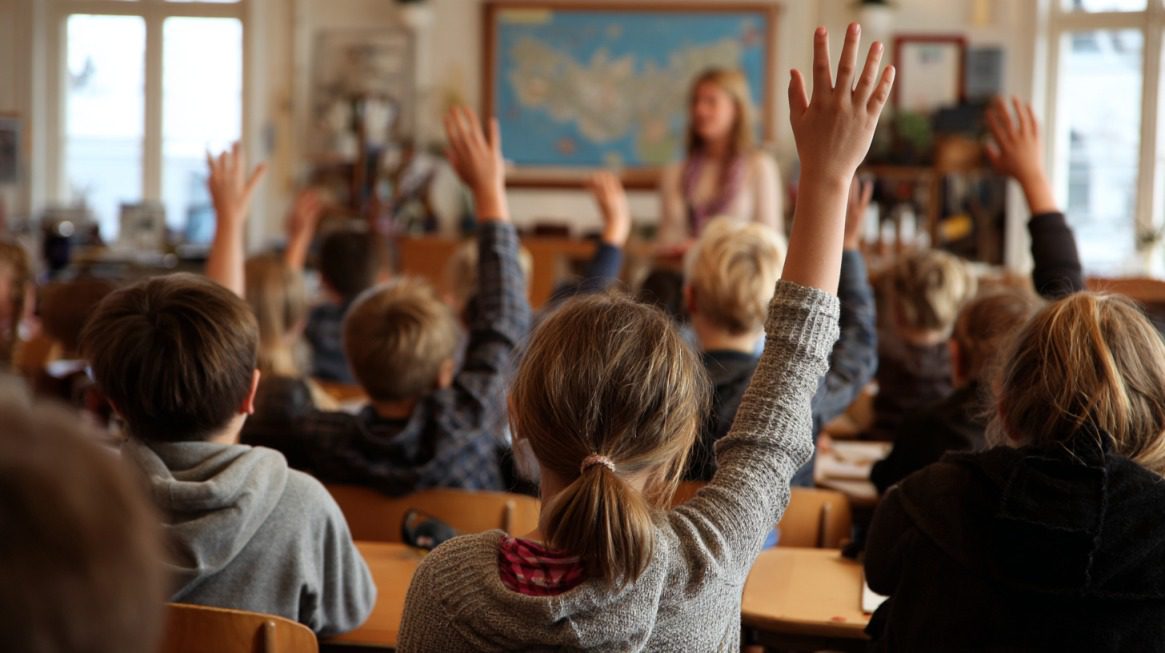
The Danish education system is widely regarded for its commitment to equity, social inclusion, and the holistic development of learners. Compulsory education in Denmark lasts from ages 6 to 16, covering: pre-school year (Year 0) through Year 9, with an optional Year 10.
After this stage, students choose from three broad pathways: upper secondary education (gymnasium), vocational education, or technical training. The structure allows young Danes to pursue academic or professional paths tailored to their interests and learning styles.
What sets Denmark apart is its deliberate trade-off of academic competition for social equity.
For instance, while Denmark ranked 25th out of 79 countries in the 2018 PISA science scores, it showed lower-than-average socio-economic disparities in student outcomes (10% compared to the OECD average of 12%).
Disadvantaged students in Denmark also show slightly higher academic resilience (by 1%) than the OECD average.
Folk High Schools
A unique and culturally significant component of Danish education is the Folk High School movement, dating back to the 19th century and inspired by philosopher Nikolaj Grundtvig.
- Self-development
- Social responsibility
- Community life
@kirby.in.scandi Every day I learn something new that I love about the Danish education approach. #livingabroad #americanindenmark #fyp ♬ original sound – Kirby in Scandi ??
There are no exams or standardized curricula, each school tailors its program to meet learners’ needs. These schools attract learners of all ages, from young adults seeking direction to older individuals pursuing new careers or personal growth.
As Michael Sørensen of Oure School noted, the Folk High School is not only a cherished educational tradition, but also a political consensus: “If it hadn’t been invented over a hundred years ago, no one would dare try to establish it now, it’s too ambitious and idealistic.
Yet all political parties support it, and no one would criticize it without risking electoral defeat.”
Boarding Schools and Life Skills Development
Another distinct feature is Denmark’s boarding school tradition for Year 10 students. Roughly 30,000 Danish students annually opt for a year at boarding school, where they learn vital social and community living skills. There are no academic exams in this year.
Instead, the focus is on emotional maturity, personal responsibility, and team living. The cost is approximately €10,000 per year, with partial state subsidies, and many families save for years to provide this formative experience.
For example, the Oure Schools offer programs in sports and performing arts and promote co-ed communal living in boarding houses. Students participate in tasks like cooking and cleaning to foster responsibility, sustainability awareness, and appreciation for labor.
Excellence through Equity and Innovation in the Netherlands
The Netherlands consistently ranks among the top five countries globally for the quality of its education system. At the core of this success is a comprehensive structure that spans from early childhood education to advanced university programs.
Education is compulsory from ages 5 to 16, and the system is divided into primary education (8 years), secondary education (4–6 years depending on the level), and post-secondary options, including vocational and academic tracks.
What sets the Dutch school system apart is its strong emphasis on freedom and autonomy. Schools are not bound by a national curriculum but must meet 58 government-defined educational objectives (“kerndoelen”).
The decentralized model empowers schools to innovate and tailor education to the needs of their students while still being accountable through standardized testing and the national Inspectorate of Education.
According to a 2016 OECD report, the Dutch system stands out for being equitable, with very low levels of underperformance and high average basic skills among students. This balance between freedom and accountability makes the Dutch model one of the most admired worldwide.
Equity and Student Well-Being at the Core
One of the hallmark features of Dutch education is its deep-rooted commitment to educational equity and student welfare. A UNICEF study ranked Dutch children as the top 5 happiest in the developed world.
The same values are evident in how Dutch schools support underperforming students and ensure inclusion across all socio-economic backgrounds.
- 11th in Mathematics
- 15th in Reading
- 17th in Science
More impressively, fewer Dutch students fell below proficiency Level 2, the level considered too low to allow meaningful participation in society, compared to the OECD average. This is attributed to a strong vocational education and training (VET) system and targeted support for disadvantaged students.
As education expert Professor Alma Harris puts it, “It is perfectly possible to combine educational equity and quality.” The Dutch system demonstrates that inclusivity, well-being, and performance can coexist.
@expat.moms.nl ?✨ Understanding the Dutch School System in Just 1 Minute! ??? Dive into the details of how education works in the Netherlands, from primary school to university. Get a quick, comprehensive overview of all the levels and pathways students can take. Perfect for parents, students, and anyone curious about Dutch education! ? #DutchSchoolSystem #EducationExplained #StudyInNetherlands #QuickLearn #EducationTikTok #expat #netherlands #expatperent ♬ original sound – expatmomsnl
Innovative, Practical, and Globally Oriented Higher Education
Higher education in the Netherlands is globally recognized for academic excellence, innovation, and alignment with industry needs.
- 14 research universities
- 34 universities of applied sciences
- Over 1 million enrolled students annually
Institutions such as:
- Delft University of Technology (Top 20 globally for engineering)
- Eindhoven University of Technology (3rd in Europe for scientific research)
- Utrecht University, Leiden University, and Erasmus University Rotterdam (All ranked in the top 100 globally)
…offer cutting-edge programs in fields ranging from IT and life sciences to sustainable agriculture and business innovation.
A unique strength of the Dutch higher education system is its dual approach:
Research-oriented education focuses on theoretical and analytical training.
Profession-oriented education (offered at universities of applied sciences) emphasizes practical skills, internships, and real-world problem solving.
This combination produces graduates who are highly employable, multilingual, and prepared for global careers.
Belgium’s Complex yet High-Performing System
Belgium is internationally recognized for its complex but highly effective education system. According to the OECD, Belgian students consistently perform above average in science, mathematics, and reading.
The system is overseen by different regional governments, Dutch-speaking Flanders, French-speaking Wallonia, and a small German-speaking community, each with significant autonomy over curricula, teacher training, and policy development.
The decentralized yet unified framework allows Belgium to offer tailored educational experiences across its regions while maintaining national academic standards.
The country’s education system has an interesting structure:
Preschool (Ages 2.5–6)
Preschool education in Belgium is non-compulsory until age 5, but is almost universally attended. These early years emphasize socialization, emotional development, and basic motor and language skills in a playful yet structured environment.
While no diploma is awarded at this level, preschool lays the foundation for formal schooling and is considered an integral part of the education process.
Primary Education (Ages 6–12)
Primary education spans six years and is divided into three two-year cycles. It includes core subjects such as mathematics, science, physical education, French, a second language (usually Dutch or English), music, and the arts.
At the end of primary school, students take the CEB (Certificat d’Études de Base), a standardized external exam required to progress to secondary education.
Secondary Education (Ages 12–18)
- First Cycle (Ages 12–15): A general curriculum that reinforces core skills.
- Second Cycle (Ages 15–18): Specialization in one of four major tracks:
- ASO (General Secondary Education) – academically oriented.
- TSO (Technical Secondary Education) – combines theory and practical skills.
- BSO (Vocational Secondary Education) – job-focused.
- KSO (Artistic Secondary Education) – centered on the arts (Care Force & International Schools Brussels).
- Graduates receive the CESS (Certificat d’Enseignement Secondaire Supérieur), qualifying them for higher education.
Language and Regional Divisions
- Dutch
- French
- German
Each language group operates its own educational authority, leading to differences in school holidays, curriculum design, and teacher qualifications.
In Brussels, a bilingual region, some schools offer bilingual (Dutch/French) programs, and international schools frequently offer instruction in English or other languages.
@silviasunw My old school was so easy it ruined my perception of grades ? #belgie #belgium #uni #university #grades #education #fyp #foryou #exams #diploma ♬ original sound – Silvia ☀️
Higher Education and Global Orientation
- Bachelor’s degrees (3 years)
- Master’s degrees (1–2 years)
- PhDs (3+ years)
Higher education is provided by:
- Universities – more theoretical and research-focused.
- University colleges (hogescholen/hautes écoles) – career-oriented, especially popular in the Dutch-speaking and French-speaking communities.
The cost of attending Belgian universities is relatively low compared to countries like the U.S., making higher education highly accessible. For example, a Bachelor’s program might cost a Belgian student a few hundred to a couple thousand euros per year, compared to $10,000–$55,000 annually in the U.S.
Belgium also sends over 17,000 students abroad, with the U.S. being one of the top five destinations.
In 2021/22, 988 Belgian students were enrolled in U.S. higher education institutions, with 387 in undergraduate, 314 in graduate programs, and 162 in non-degree or English language courses.
The Slovenian Education Model of Accessibility, Quality, and Inclusion
Slovenia, a small Central European country, boasts an education system that is both inclusive and efficient.
Despite its modest size and relatively recent independence (following the disintegration of Yugoslavia), Slovenia has established a high-performing educational framework that supports both domestic and international students.
With free tuition at most levels, strong institutional oversight, and an impressive completion rate, Slovenia stands out in the region as a progressive hub for learning.
Structure of the Education System
Slovenia’s education system is divided into three primary tiers:
1. Basic Education (Osnovna Šola) – Ages 6 to 15
Basic education is compulsory and fully funded by the government. Students begin school at age 5 or 6 and continue through grade 9, finishing around age 14 or 15.
During the first five years, students stay in a consistent class group with the same teacher, focusing on foundational subjects like Slovene (or Italian/Hungarian in minority regions), math, science, music, and art.
From grade 6 onward, specialist teachers take over and additional subjects, including a foreign language (usually English), are introduced.
- Highlights:
- Tuition-free
- Transportation provided if students live more than 4 km from school
- Subsidized or free meals, especially for lower-income families
- Compulsory nationwide exam at the end of this level
2. Secondary Education (Ages 15 to 19)
- Gimnazija: Academic track focused on university preparation
- Srednja Šola: Vocational schools tailored to career-specific skills (e.g., IT, gastronomy, hairdressing)
- Technical programs: Blend of vocational and academic content
Students finishing 9th grade take a National Knowledge Assessment Test, and their scores determine their eligibility for academic or vocational tracks. Notably, even vocational students retain the option of pursuing university studies later.
- Key Stats:
- Secondary education completion rate: 90.7% (as of 2003)
- Diverse post-secondary options available
- Pathway flexibility between vocational and academic advancement
3. Tertiary Education (University and Vocational Colleges)
- University of Ljubljana (the oldest and largest)
- University of Maribor
- University of Primorska
- University of Nova Gorica
Tertiary education is free for Slovenian citizens and offers financial aid for others, although student loans are not commonly used.
Tuition fees apply to foreign, part-time, and postgraduate students.
Courses are increasingly taught in English, and the universities are recognized for their academic rigor and welcoming environment.
- Gender Parity:
- In the past decade, female participation in tertiary education rose from 40% to 56%
- Male participation also increased (from 20% to 33%)
Support for International and Expat Families
Slovenia is an attractive destination for relocating families and international students due to its integration-friendly education policies.
International Schooling Options
- British International School (UK curriculum)
- Ljubljana International School (American curriculum)
- École Française internationale de Ljubljana (French curriculum)
- Danilo Kumar International School (International Baccalaureate)
- Vector International Academy (IB prep, ages 15–18)
For long-term residents, many opt for local schools, where foreign children receive extra Slovene language support and integrate quickly.
Community participation, music, arts, and sports are actively encouraged at all levels.
Why Japan’s Education System Is Among the World’s Best
Japan consistently ranks at the top of global education indices, thanks to a system that balances academic excellence with character development, social responsibility, and cultural integration.
With a near-perfect literacy rate of 99.9% and top global rankings in reading, mathematics, and science, Japan has crafted a holistic model of education that countries around the world can learn from.
The success stems not only from rigorous academics but also from cultural values that emphasize discipline, continuous improvement, and a strong sense of community.
A Culture That Values Education at All Levels
Japan’s education system reflects the nation’s deep-rooted conviction that education is essential to national development.
From the Meiji era reforms to modern policy adjustments, Japan has continuously looked outward to learn from top-performing countries and adapted those insights to suit its cultural context, without compromising on its core values.
For instance, policies like automatic grade promotion based on age, universal school uniforms, and shared curriculums across schools foster social equality and system-wide consistency.
Moreover, students are immersed in a culture that prizes both “tatemae” (socially expected behavior) and “honne” (true feelings), equipping them with nuanced social intelligence. These skills are invaluable in navigating global professional environments, particularly in multicultural teams.
High Standards, Rigorous Curriculum, and Consistent Benchmarking
Japan’s curriculum is not only standardized but also extremely focused on core subjects like mathematics, science, and language. The curriculum is described as “coherent, conceptually deep, and logically ordered,” demanding a high level of cognitive effort from students.
As a result, high school graduates in Japan often possess academic proficiency comparable to college students in many Western countries.
Japan also practices international benchmarking rigorously, regularly evaluating its educational outcomes against those of top-performing countries.
It has allowed the country to remain competitive in global education rankings, second overall among OECD countries in education quality, according to 2023 data.
Teachers as the Pillars of the System
Teachers in Japan are mentors, disciplinarians, and role models.
The selection process for becoming a teacher is highly competitive, and once in the system, teachers receive strong institutional support and are expected to demonstrate the values they teach.
Teachers rotate between classes rather than students, which reduces distractions and maintains classroom order.
Additionally, Japan’s “lesson study” process fosters continuous professional development. Teachers collaboratively review and improve their teaching methods, ensuring that instructional quality is maintained across all schools.
Moral Education and Personal Responsibility
From the earliest years, Japanese schools place a major emphasis on moral education. Children are taught life skills, ethical behavior, and community involvement alongside their academic studies.
Until the age of 10, there are no formal academic exams; the focus is instead on developing empathy, cooperation, and self-control.
Students as young as 10 are expected to clean their classrooms, serve lunches, and adhere to routines such as bowing before and after class.
These practices foster a sense of accountability and ownership, creating a school culture rooted in respect and shared responsibility.
What Makes the German Education System So Effective?
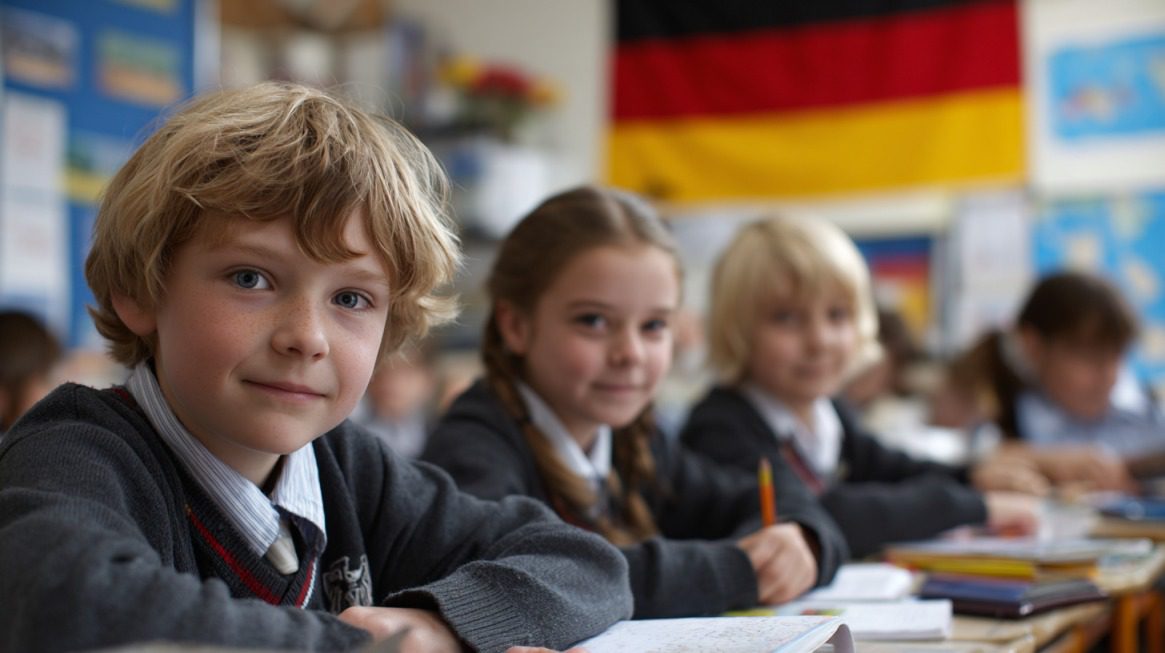
Germany has long been admired for its engineering prowess, economic resilience, and cultural heritage.
Yet, its education system is increasingly being recognized as a global model, combining academic excellence, vocational relevance, affordability, and inclusiveness.
Academic Learning and Vocational Training
One of the most distinctive features of the German education system is its dual education model, which seamlessly integrates theoretical learning with hands-on vocational training.
Students can enroll in dual study programs that allow them to alternate between classroom instruction at universities and paid internships or apprenticeships in partner companies.
According to the University of Europe (UE), this system not only prepares students for the labor market but also gives them a competitive edge with practical skills and real-world experience.
Students often receive stipends during training, helping them financially while gaining professional exposure.
Pathways Based on Strengths and Interests
- Primary education: From ages 6 to 10, focusing on life skills and foundational subjects.
- Lower secondary education: Prepares students for either academic (Gymnasium) or vocational (Realschule, Hauptschule) paths.
- Upper secondary and tertiary levels: Allow further specialization with either academic or vocational emphasis.
- Though this early tracking system faced criticism for reinforcing inequality, reforms post-2000 have significantly improved flexibility and outcomes.
@yvanabee Replying to @schneegloecchen ♬ original sound – yvanabee ??
Lessons from the “PISA Shock”
In 2000, Germany faced a wake-up call when the OECD’s PISA (Programme for International Student Assessment) ranked it below average in reading, math, and science, and exposed high disparities based on socioeconomic status.
It was a blow to the self-image of a country that prided itself on cultural and intellectual excellence.
- Delayed academic tracking to reduce early segregation.
- Merged Hauptschule and Realschule in several states to create more inclusive learning environments.
- Standardized curricula and national assessments while avoiding high-stakes testing and league tables.
Expanded support for migrant students, including language acquisition programs and encouragement to attend kindergarten (previously seen as optional play-based schooling).
By 2012, Germany had reduced educational inequality and improved overall student performance, becoming one of only three countries to show such dual progress in the PISA assessments.
Affordable, Accessible, and Internationally Oriented
Another standout aspect of the German education system is its affordability. Public universities charge little to no tuition, making high-quality education accessible to both domestic and international students.
- Lower cost of living compared to other Western European countries.
- Wide availability of scholarships and financial aid.
- English-taught programs, especially in master’s and business degrees.
Germany has become the third most popular destination globally for international students.
The combination of low tuition, high academic standards, and vibrant student life, especially in cities like Cologne, Berlin, and Munich, makes it an appealing option.
Global Education Trends in 2025
Recent developments in education policy, funding, and institutional performance highlight critical shifts in priorities and outcomes worldwide.
Comparative data from the OECD and the Times Higher Education World University Rankings underscore growing disparities between regions, shifts in academic influence, and the increasing role of strategic investment in shaping long-term success.
Key focus areas include equitable school systems, international competitiveness in higher education, and stronger ties between education and economic growth.
Nordic School Systems
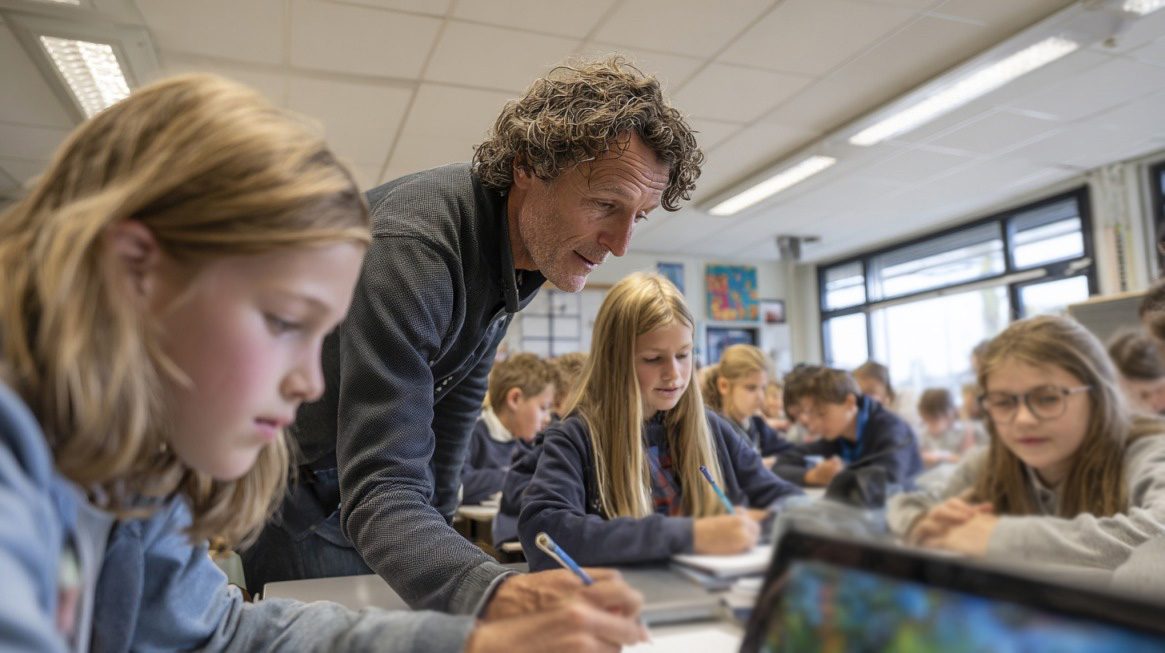
Finland, Sweden, and Norway maintain their top-tier positions in primary and secondary education.
- Mandatory and advanced teacher qualifications at the master’s level
- Comprehensive early intervention programs, targeting both academic and emotional development
- Policy frameworks emphasizing equity, particularly in funding allocation and special needs support
OECD data confirm that these systems not only achieve high academic performance but also maintain relatively low variation in outcomes across socio-economic groups.
National policies prioritize student well-being, with mental health support embedded in standard education protocols.
PISA 2025 preparatory analyses indicate that students in these countries continue to outperform peers in mathematics, science, and reading, while exhibiting lower rates of anxiety and burnout compared to peers in higher-pressure systems.
Strategic Expansion in Higher Education
New patterns are emerging in global academic competition. China, the United Arab Emirates, and Saudi Arabia are expanding their influence through targeted investments in research, infrastructure, and global collaboration.
- China has 86 institutions listed, with increasing representation in the top 200, particularly in science and engineering fields
- University of Sharjah in the UAE ranks highest in international collaboration indicators
- Saudi Arabia’s national education reforms under Vision 2030 continue to transform academic governance, research funding, and student mobility
Policy emphasis in these regions is not only on institutional prestige but also on building innovation capacity through strategic alignment between universities, government agencies, and private industry.
Declining Public Confidence in Long-Dominant Systems
Institutions in the United States and the United Kingdom remain highly ranked but face internal challenges.
Metrics related to institutional reputation remain strong, with Oxford, MIT, Stanford, and Cambridge retaining top global spots.
- Affordability and tuition inflation, especially in the US, where student loan debt continues to rise
- Stagnation in pedagogical innovation, with calls for more adaptable and inclusive teaching methods
- Persistent access inequalities, particularly affecting underrepresented minority and rural populations
These concerns contribute to declining domestic enrollment and increasing student interest in international options, especially in Asia and continental Europe.
Linking Education to Economic Growth
Cross-national comparisons point to strong connections between education reform and economic stability.
- High investment in STEM education and technical training
- Incentives for continuous teacher development and upskilling
- Integration of vocational pathways aligned with labor market demand
Germany, South Korea, and Singapore are prominent examples, combining academic rigor with industry partnerships and apprenticeship models.
In each case, the education system is designed not solely for academic prestige, but for workforce adaptability and productivity.
The OECD emphasizes the growing importance of lifelong learning systems, especially as aging populations and digital transformation challenge existing labor structures.
Methodology
The data for the Global Education Rankings 2025 was compiled using a multi-tiered approach combining quantitative metrics, qualitative assessments, and perception-based indexes.
Core academic performance data was sourced from international benchmarks such as the Programme for International Student Assessment (PISA), Trends in International Mathematics and Science Study (TIMSS), and Progress in International Reading Literacy Study (PIRLS).
Additional data points were gathered from national education ministries, UNESCO, OECD, and World Bank databases to assess factors including public investment in education, student-teacher ratios, graduation rates, and accessibility across socio-economic groups. Rankings also incorporated indicators of digital infrastructure, curriculum innovation, vocational training integration, and student well-being.
Furthermore, expert panels and academic institutions contributed peer-reviewed insights, while public perception data, such as university reputation and parental satisfaction surveys, added contextual depth to statistical outcomes.
Collectively, these diverse data streams helped create a comprehensive and balanced profile of global education systems in 2025.
Summary
As the 2025 global education rankings unfold, they offer a revealing snapshot of each nation’s dedication to academic excellence, equity, and innovation.
The country-by-country breakdown not only highlights consistent leaders, such as Finland, South Korea, and Singapore, but also draws attention to fast-rising systems in Eastern Europe, Central Asia, and parts of Africa that are implementing ambitious reforms and seeing tangible gains.
What this ranking underscores is that education is not a static endeavor. It is a dynamic, ever-evolving field where investments in teacher training, digital integration, and inclusive policies yield measurable results.
While traditional powerhouses maintain strongholds due to robust funding and long-standing educational philosophies, emerging nations are proving that strategy and commitment can reshape educational landscapes rapidly.
References:
- ResearchGate – What makes Estonia and Singapore so good?
- World Population Review – Education Rankings by Country 2025
- NDTV – 8 Hours, 5 Tests In A Day
- Korea Joongang Daily – How the ‘SKY’ universities dominate
- ResearchGate – The Social Effects of Higher Education Policy in South Korea
- InterNations – A Guide to Education & International Schools in South Korea
- NeqMap – New Education Policies and Practices in South Korea
- Reuters – In South Korea, world’s lowest fertility rate plunges again in 2023
- OECD – PISA 2018
- Danish Folk Highschools
- PH Museum – One Year at Boarding School Amounts to Seven Years of Growth
- Eurydice – the Netherlands
- OECD – Development Co-operation Report 2016
- UNICEF – Child well-being in rich countries
- Teacher Magazine – Shining a light on school education in the Netherlands
- Tudelft
- Tue
- Utrecht University
- Universiteit Leiden
- Erasmus University Roterdam
- Education Policy Outlook – Belgium
- MySherpa – CEB
- Eurydice – Belgium – French Community
- Ehea – Belgium – Flemish Community
- Trade – Belgium Education and Training Services Industry Snapshot
- Univerza v Ljubljani
- Univerza v Maribor
- Univerza v Primorski
- Unvierza v Nova Gorica
- World Population Review – Literacy Rate by Country 2025
- Skenman – Honne and Tatemae
- Gooverseas – What are the Requirements to Teach in Japan?
- The Guardian – What can we learn from the great German school turnaround?
- CBS.de – 21 Reasons Why You Should Study in Germany
- Taylor & Francis – Nordic challenges related to exclusion and local responses in Swedish, Finnish, and Norwegian urban compulsory education
- Pisa Framework – Science 2025
- Times Higher Education – World University Rankings
- University World News – US universities rising in key global rankings
- European Education Area – STEM education and training