Several youth development studies show that structured, skill-based programs consistently improve self-esteem, communication, and decision-making in children. That is exactly where the RC Youth Program stands out. It is not built around pressure or competition for its own sake. Instead, it focuses on steady growth, practical learning, and real responsibility in a safe, supportive environment.
Parents often notice changes quickly. Kids speak up more, work better in teams, and take pride in learning skills that actually matter. This guide explains how the RC Youth Program builds confidence and real-world ability step by step, and why its approach works so well for long-term development.
What the RC Youth Program Is Designed to Teach
The RC Youth Program is built around the idea that confidence grows from competence. When kids understand what they are doing and why it matters, they naturally become more self-assured. Rather than focusing on abstract lessons, the program emphasizes hands-on learning tied to clear goals and responsibilities.
Each activity is structured so participants can see progress over time. Skills are introduced gradually, reinforced through repetition, and applied in real situations. That process helps kids feel capable instead of overwhelmed.
Core focus areas typically include:
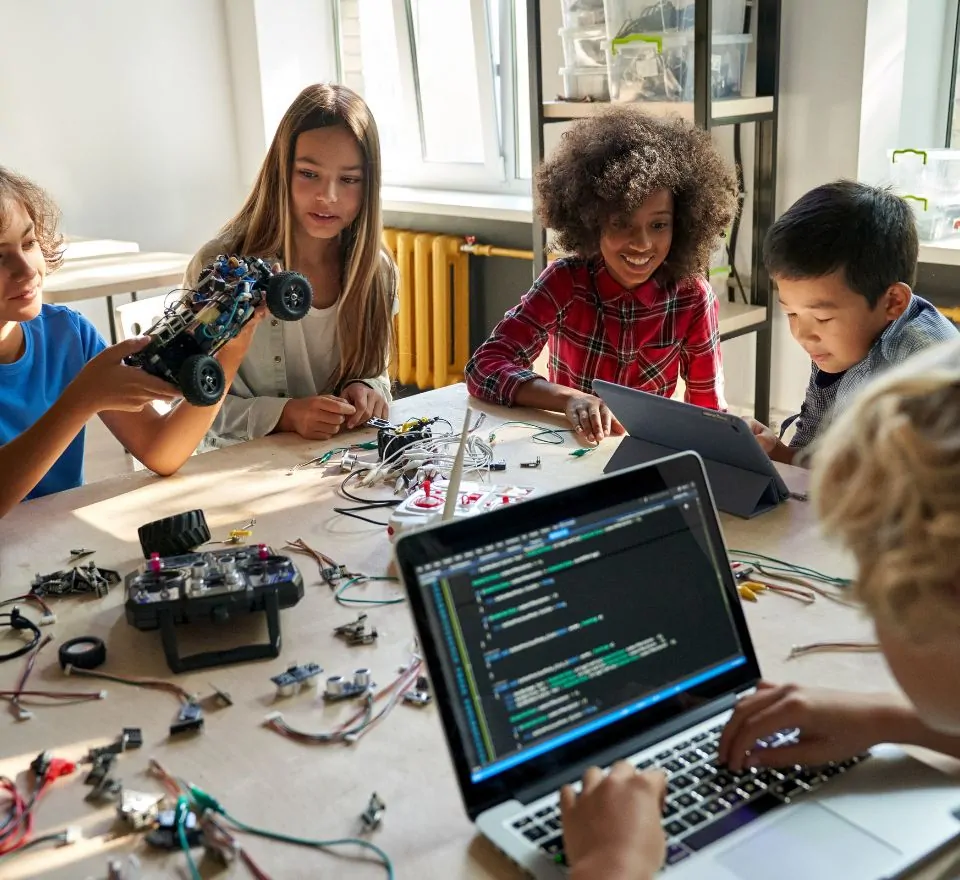
- Communication and teamwork through group-based challenges
- Practical safety and responsibility skills appropriate to age
- Leadership through guided decision-making and peer support
This foundation allows children to grow without fear of failure. Mistakes are treated as part of learning, not something to avoid.
Building Confidence Through Real Responsibility
One of the strongest confidence builders in the RC Youth Program is responsibility. Kids are trusted with age-appropriate tasks that have real outcomes. That trust sends a powerful message: your actions matter.
Responsibility is introduced gradually, starting with small roles and increasing as skills improve. This approach prevents anxiety while still encouraging independence. Children learn that preparation and follow-through lead to success.
Responsibility-focused elements often include:
- Managing small group tasks with shared accountability
- Following safety procedures consistently and correctly
- Supporting peers during structured activities
Did you know?
Psychologists link responsibility-based learning with stronger self-efficacy, meaning children believe they can handle challenges before they even arise.
That belief carries into school, sports, and everyday life.
Practical Skill Development
Kids engage more deeply when skills feel useful. The RC Youth Program avoids abstract instruction and focuses on abilities children can immediately understand and apply. This makes learning feel purposeful rather than forced.
Many programs also introduce basic emergency awareness and personal safety education. In some cases, families choose to extend that learning with external resources such as CPR certification, especially for older participants ready to handle more responsibility. When aligned naturally with program goals, this kind of training reinforces the value of being prepared and capable.
Skill categories commonly covered include:
- Personal and group safety fundamentals
- Clear communication under mild pressure
- Problem-solving using step-by-step thinking
- Basic leadership behaviors in group settings
These skills stay relevant well beyond the program itself.
How Team-Based Activities Strengthen Social Skills
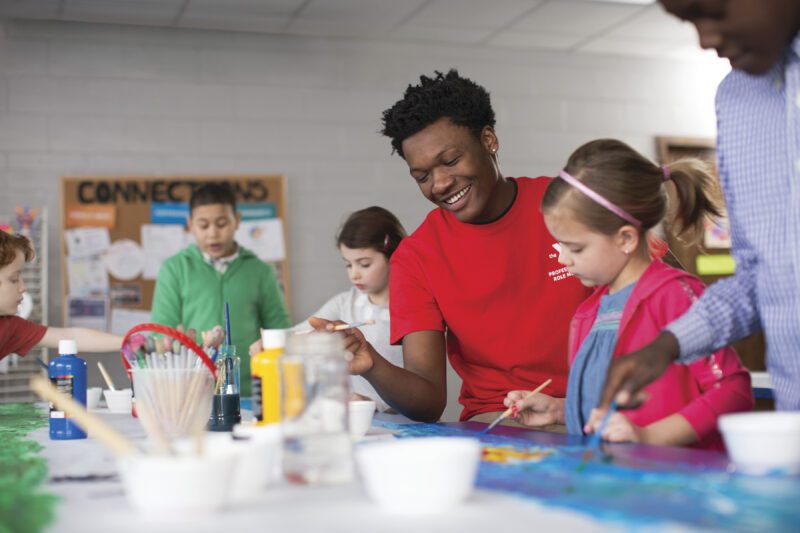
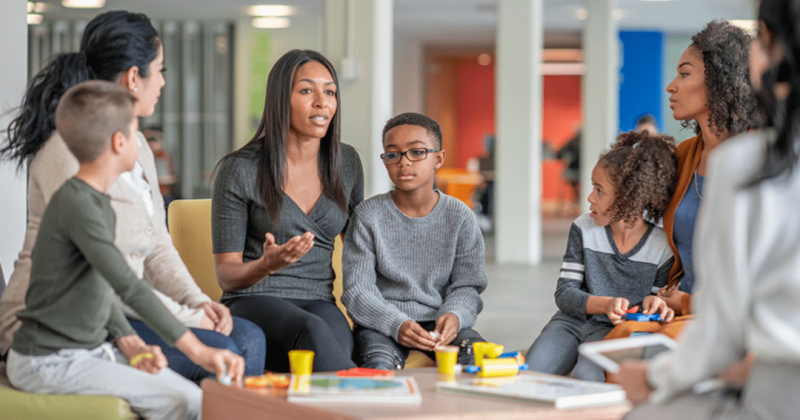
Confidence is not just internal. It shows in how kids interact with others. Team-based activities are central to the RC Youth Program because they teach cooperation, empathy, and respectful leadership.
Group challenges are carefully designed so every child contributes. No one is sidelined, and no one carries the entire burden. This balance helps quieter participants speak up and more confident kids learn to listen.
Social skill development is supported through:
- Rotating leadership roles so everyone practices guiding others
- Structured reflection after activities to discuss what worked
- Clear expectations around respect, listening, and inclusion
Over time, kids learn that confidence does not mean dominating others. It means communicating clearly and supporting the group.
Leadership Skills Without Pressure or Ego
Leadership in the RC Youth Program looks different from traditional competitive models. Instead of rewarding the loudest voice, it emphasizes calm decision-making, accountability, and fairness. Kids learn that leadership is a skill set, not a personality trait.
Leaders are guided, not thrown into situations unprepared. Instructors provide clear frameworks so children understand how to make choices and handle setbacks. This keeps leadership from becoming intimidating.
Leadership lessons often focus on:
- Making decisions with input from others
- Staying composed when plans change
- Taking responsibility for group outcomes
This style of leadership training builds quiet confidence that feels natural rather than forced.
A Balanced Structure That Prevents Burnout
One reason the RC Youth Program works so well is its pacing. Activities are challenging but not overwhelming. Downtime is built in so kids can reset and reflect instead of feeling constantly evaluated.
This balance protects motivation. When children enjoy the process, they stay engaged longer and absorb more. Structured routines also provide predictability, which reduces anxiety for younger participants.
Program structure typically includes:
- Clear schedules with defined start and end points
- Alternating physical, mental, and discussion-based activities
- Regular check-ins to adjust difficulty as needed
The result is steady growth without emotional overload.
Measuring Growth Beyond Certificates or Badges
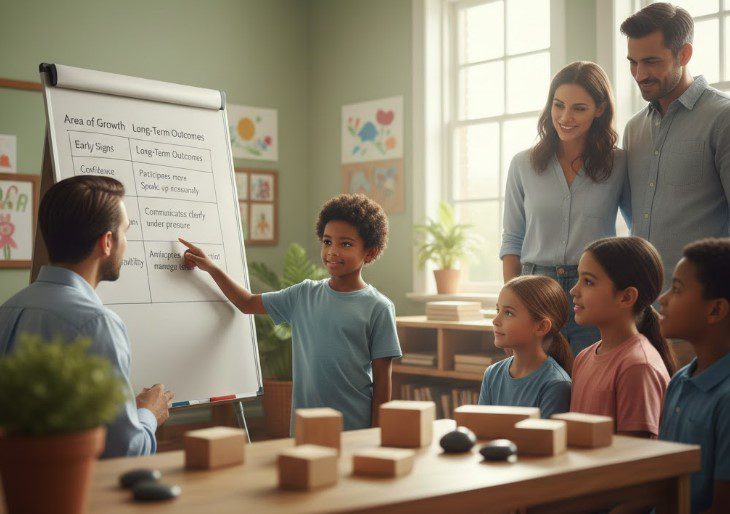
While milestones and recognition matter, the RC Youth Program measures success through behavior changes rather than just awards. Parents and instructors often notice subtle but meaningful shifts over time.
These changes include:
- Improved eye contact and communication
- Greater willingness to try new tasks
- Better emotional regulation during challenges
- Increased independence in everyday situations
| Area of Growth | Early Signs | Long-Term Outcomes |
| Confidence | Participates more | Leads with calm assurance |
| Communication | Speaks up occasionally | Communicates clearly under pressure |
| Responsibility | Follows instructions | Anticipates and manages tasks |
This long-view approach ensures development lasts beyond the program.
Why Parents See Lasting Benefits at Home and School
The skills kids gain do not stay inside the program environment. Parents often report improvements in school participation, organization, and peer relationships. Teachers may notice stronger collaboration and resilience in group projects.
Because the RC Youth Program focuses on transferable skills, children apply what they learn naturally. Confidence shows up in class discussions. Responsibility appears in homework routines. Leadership emerges in group activities.
Key spillover benefits include:
- Better time management
- Improved emotional awareness
- Stronger problem-solving habits
These outcomes make the program valuable even years later.
Long-Term Impact on Personal Development
Confidence built through experience lasts longer than confidence built through praise alone. The RC Youth Program understands this and prioritizes action-based learning. Kids do not just hear that they are capable. They prove it to themselves.
This internal confidence becomes a foundation for future challenges. Whether facing academic pressure, social change, or new responsibilities, participants already know how to adapt.
Confidence grows fastest when skills, responsibility, and support develop together.
That principle guides every aspect of the program’s design.
Final Thoughts
Helping kids build confidence is not about pushing them harder. It is about giving them the right tools, the right pace, and the right support. The RC Youth Program succeeds because it respects how children actually learn and grow.
By combining practical skills, teamwork, leadership practice, and structured responsibility, the program creates an environment where confidence develops naturally. Kids leave not just feeling better about themselves, but genuinely more capable. That combination is what makes the impact meaningful and lasting.