

Essay writing in K-12 classrooms is undergoing a quiet but sweeping transformation. What used to be a familiar system of book reports, five-paragraph essays, and timed writing exams is now being reshaped by new education policies, artificial intelligence concerns, digital literacy standards, and shifting views on how students actually learn to think and communicate.
The change is not only about technology. It is about how schools define originality, critical thinking, and real understanding in a world where information is instant and automated tools are everywhere.
The direct answer is this: new K-12 policies are changing essay assignments by pushing them away from formula-based writing and toward process-driven, evidence-based, and revision-focused work that emphasizes thinking over output. Students are being graded less on speed and surface structure and more on how they build arguments, analyze sources, and revise their ideas over time.
Why Essay Assignments Had to Change

For decades, essay writing in schools remained relatively static. Students were taught a predictable structure, given a prompt, and expected to produce a final draft under time pressure. That model worked in a world where access to information was slower, and writing tools were limited.
That world no longer exists. Students now live in an environment where they can instantly pull facts from search engines, dictate drafts with voice software, and generate polished paragraphs with artificial intelligence.
While this has created new learning opportunities, it has also exposed how fragile the old essay model really was. When final-draft-only grading meets instant generation tools, the result is widespread uncertainty about authorship, effort, and learning integrity.
New policies emerged not as a reaction to technology alone, but to the deeper realization that traditional essay formats were no longer measuring real thinking.
What New K-12 Essay Policies Actually Focus On
Across multiple states and school boards, the shift in policy centers on three instructional priorities: writing as a process, source-based reasoning, and visible revision.
Instead of assigning a single prompt and collecting a final draft, teachers are now expected to assess multiple stages of development.
Students show how they generate ideas, outline arguments, integrate evidence, and refine language through feedback. This process allows teachers to see where understanding forms and where misconceptions occur.
Source-based writing has also become a central requirement. Essays are increasingly built around multiple texts, data sets, or real-world documents rather than pure opinion prompts. Students are expected to compare perspectives, identify bias, and justify claims with evidence.
Revision has gone from optional to mandatory. Policies increasingly require at least one structured revision cycle where students respond to feedback and explain how their thinking changed. The focus is not simply better grammar, but deeper clarity, stronger logic, and tighter argumentation.
How Classroom Essay Assignments Look Different Today
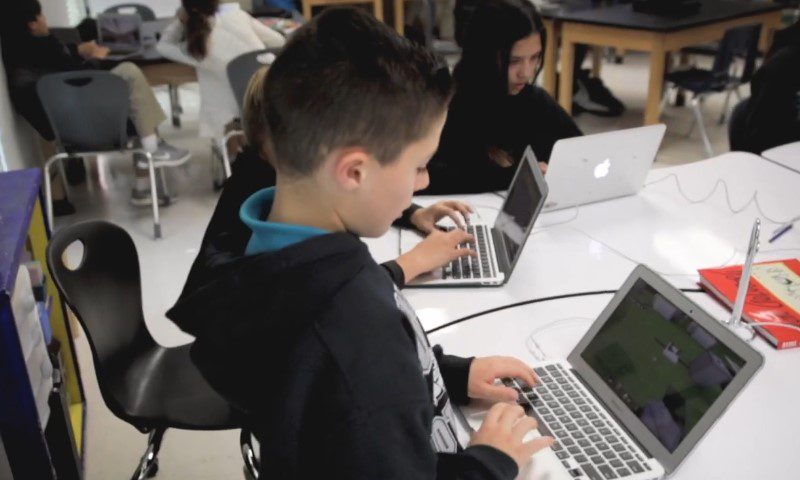
The most obvious change students notice is that essays now feel longer in time but smaller in a single sitting. Instead of writing everything in one burst, students may work on an essay over two to three weeks in structured stages.
A modern essay assignment might include:
- guided brainstorming
- claim testing with peer feedback
- controlled research windows
- citation checkpoints
- draft commentary
- structured revision
- reflective writing on changes made
The Changing Role of Grammar and Mechanics
Grammar is no longer the central measurement of essay quality, but it remains an important supporting skill. New policies treat grammar as something that strengthens ideas rather than something that defines intelligence.
The emphasis now sits on whether a student can clearly communicate complex thoughts rather than merely avoid surface errors.
Because so much writing now happens digitally, students are also expected to engage with revision tools responsibly.
Many teachers openly allow digital proofreading for surface-level corrections while focusing their grading on structure, reasoning, and clarity. In that workflow, tools like a grammar checker are used as part of the drafting process rather than as a substitute for thinking. This shift reinforces the idea that correct grammar supports ideas but does not create them.
How Artificial Intelligence Is Forcing Policy Redesign
AI did not just speed up writing. It forced schools to decide what they actually value in student work.
Rather than trying to ban technology entirely, many K-12 policies now aim to make academic misuse academically pointless. When essays require in-class planning, oral defense, draft annotations, and source verification, the role of blind AI generation shrinks dramatically.
Some districts now require students to submit:
- early handwritten outlines
- digital revision histories
- oral explanation of thesis development
- annotated source justifications
These steps shift accountability back to the student’s thinking process instead of the final document alone.
What This Means for Students
For students, the change is both more demanding and more fair. They are no longer graded on how quickly they can assemble five neat paragraphs. They are graded on how deeply they can understand a question, how carefully they evaluate sources, and how well they improve their own thinking through revision.
Students who struggle with grammar but think clearly now have more room to show what they understand. At the same time, students who previously relied on surface polish without real analysis are being pushed to develop stronger reasoning skills.
This also changes how confidence develops. Students learn that good writing is built, not magically produced in one sitting.
What This Means for Teachers

Teachers now spend less time correcting mechanical errors and more time coaching thinking. Feedback has become more targeted, focusing on thesis strength, logic gaps, evidence use, counterarguments, and clarity of explanation.
This shift increases workload at first because process-based grading takes more time than marking final drafts. Over time, however, it also improves classroom dialogue because students begin to understand what quality actually looks like rather than guessing based on red marks.
Professional development has followed suit. Teacher training now emphasizes formative assessment, rubric transparency, and feedback strategies instead of only score-based evaluation.
What Parents Should Understand About Modern Essay Grading
Many parents are surprised when they see essays come home covered with comments but without a traditional numerical grade early in the process. That is not a sign of lower standards. It is evidence of shifting standards toward growth instead of one-shot evaluation.
Parents may also notice that essays now appear less rigid in structure. That flexibility reflects a deeper emphasis on reasoning rather than formula compliance. The aim is to prepare students for real-world writing, where problems are rarely packaged into neat five-paragraph solutions.
How Colleges Are Responding
Colleges are already adjusting expectations based on how K-12 writing is changing. Admissions officers increasingly value writing samples that show authentic development over polished but shallow work. Many universities now request multi-draft submissions, research annotations, or portfolio-based writing during the application process.
This alignment means that students trained under the new policies may actually be better prepared for post-secondary writing demands than those taught under older models.
Bottom Line
New K-12 essay policies are not lowering standards. They are redefining what real writing competence actually means in a digital, automated world.
Instead of rewarding speed, memorization, and surface polish, schools are shifting toward reflection, evidence, reasoning, and revision as the true markers of learning.
Students are being taught that writing is not a performance but a process. Teachers are becoming thinking coaches rather than grammar enforcers.
Parents are seeing fewer neat formulas and more complex intellectual growth. And schools are quietly future-proofing one of the most critical academic skills students will ever use.