

You don’t need to go to medical school to build a rewarding, stable career in family primary care. There are several legitimate, in-demand roles — such as nurse practitioner (NP), physician assistant (PA), registered nurse (RN), medical assistant (MA), or health coach — that let you serve patients, deliver preventative care, and be part of a family care team.
These roles require less time, money, and debt than becoming an MD or DO, but still place you on the frontlines of helping patients across the lifespan. Each path has its educational requirements and licensing. Still, all share a growing demand in clinics, community health centers, and family practice groups across the U.S. If you’re passionate about healthcare, love working with people, and want to make an impact without spending 8+ years in school, there’s a route for you — and it starts with understanding your options.
1. Nurse Practitioner (NP) – A High-Impact Role with Independence
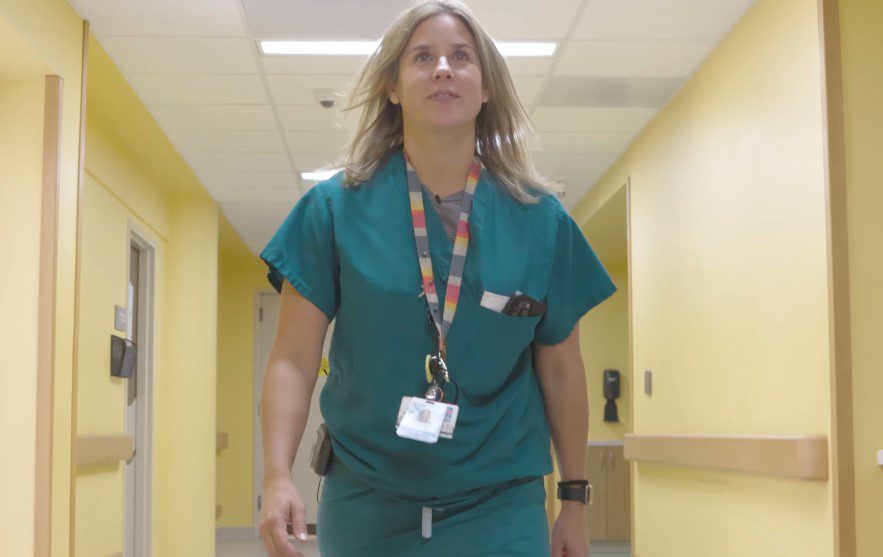
Nurse Practitioners (NPs) are advanced practice registered nurses who can serve as primary care providers, often diagnosing and treating patients without direct physician oversight. In over 25 U.S. states, NPs have full practice authority, meaning they can independently prescribe medications, order diagnostic tests, and manage chronic conditions. In family practice settings, they often act as the first and primary point of contact for patients across all age groups.
To become an NP, you’ll need a Bachelor of Science in Nursing (BSN) followed by passing the NCLEX-RN exam. After gaining experience as a registered nurse, the next step is earning a Master of Science in Nursing (MSN) or Doctor of Nursing Practice (DNP) with a focus on family care. Most NP programs take 2–3 years. After completing the program, you must pass a national board certification (e.g., AANP or ANCC).
Once licensed, you’re officially recognized as an advance nurse practitioner, a title that reflects both your clinical expertise and ability to manage patient care independently in many states. This role allows you to work closely with families, oversee treatment plans, and make key decisions typically associated with physicians.
NPs earn an average salary between $110,000 and $135,000 annually and are in extremely high demand, especially in rural and underserved areas. They are a key solution to the U.S. primary care shortage and offer one of the most autonomous and respected non-MD roles in healthcare today.
2. Physician Assistant (PA) – Medical-Model Training Without Med School
Physician Assistants (PAs) are trained in the same medical model as doctors and perform many of the same functions, including conducting exams, diagnosing illnesses, prescribing medication, and assisting in procedures. While PAs work under the supervision of a physician, they operate with a high degree of autonomy and can often manage entire patient panels in family clinics.
The path to becoming a PA involves completing a bachelor’s degree (typically in a science-related field), followed by 2–3 years in a PA master’s program. Most programs require prior healthcare experience, such as work as an EMT or medical assistant. After graduation, PAs must pass the PANCE exam and obtain state licensure.
With salaries averaging between $100,000 and $130,000, and projected job growth over 25% through 2032, the PA role is one of the fastest-growing healthcare jobs in the U.S. It’s a strong choice for those who want clinical depth, diagnostic authority, and career mobility without committing to med school.
3. Registered Nurse (RN) – The Bedrock of Family Care

Registered Nurses (RNs) play a central role in primary care, providing hands-on support, education, and coordination. While they do not diagnose or prescribe, RNs often lead patient triage, manage immunizations, assist with screenings, and provide lifestyle education for chronic diseases like diabetes and hypertension.
To become an RN, you can choose between a two-year Associate Degree in Nursing (ADN) or a four-year Bachelor of Science in Nursing (BSN). After completing your education, you must pass the NCLEX-RN exam and meet state licensing requirements. Many RNs later go on to become Nurse Practitioners through bridge programs.
RNs earn between $70,000 and $100,000 depending on region and experience. Primary care offices, pediatric clinics, schools, and telehealth platforms all rely on RNs to keep care flowing smoothly. For those who want to work closely with patients and have room to grow, nursing is a strong, flexible foundation.
4. Medical Assistant (MA) – Quick Entry Into Patient-Facing Care
View this post on Instagram
Medical Assistants (MAs) are essential support staff in family practices, handling both administrative tasks and basic clinical work. They take vitals, prepare patients for exams, record histories, schedule appointments, and assist with minor procedures or lab work. While they don’t have diagnostic authority, they are often the first face patients see during a visit.
Becoming an MA typically requires a certificate (9–12 months) or associate degree (up to 2 years). Though not always required, certifications like CMA (Certified Medical Assistant) or RMA (Registered Medical Assistant) boost job prospects. This is one of the fastest ways to enter the healthcare field and get real-world experience.
Salaries range from $35,000 to $50,000, with steady demand in outpatient and family clinics. MAs are ideal for those who want to start quickly, enjoy working with people, and potentially use the role as a stepping stone to nursing or PA school.
5. Health Coach or Community Health Worker – Preventive Care in Action

Health coaches and community health workers focus on education, prevention, and behavior change, helping patients adopt healthier habits, stick to treatment plans, and understand chronic conditions. While they don’t provide clinical care, they are a key part of the family care ecosystem, especially in underserved or high-risk communities.
To become a health coach, you can complete a certificate program in as little as 4–12 months. Some roles require a bachelor’s degree in health science, psychology, or a related field. Certifications from organizations like the National Board for Health & Wellness Coaching (NBHWC) or ACE are valued. Community health workers often receive on-the-job training or take local public health courses.
Salaries typically range from $35,000 to $60,000, with strong growth projected as healthcare shifts toward preventive and population-based models. These roles are ideal for empathetic communicators who want to make a difference outside of traditional clinical settings.
Choosing the Right Path for You
Your ideal route depends on how quickly you want to start, how much responsibility you want, and how hands-on you’d like to be with patients.
| Factor | Fastest Path | Highest Pay | Most Patient Interaction | Most Independence |
|---|---|---|---|---|
| Education Time | Medical Assistant | Nurse Practitioner | RN / NP / PA | Nurse Practitioner |
| Flexibility to Change Fields | Health Coach | PA / NP | MA / CHW / RN | PA (with MD oversight) |
| Long-Term Growth Potential | RN → NP | NP or PA | All paths except CHW | NP or PA |
Final Thoughts
Family primary care isn’t just about doctors — it’s a team effort, and that team needs smart, compassionate people in all kinds of roles. Whether you want to be on the clinical side, diagnosing illness, or the coaching side, helping people prevent disease, there’s a path for you that doesn’t involve med school.
As healthcare shifts toward preventive care, accessibility, and community outreach, your opportunities to join the field — and shape it — are greater than ever. From the exam room to the front desk to telehealth apps, you can become a trusted face in family medicine. The journey may not be traditional, but it’s no less impactful.