
Despite decades of global progress in education, some countries continue to face extremely low literacy rates, with less than 40% of adults able to read and write. The countries with the lowest literacy rates today include Niger, Guinea, Chad, Mali, South Sudan, the Central African Republic, Burkina Faso, Somalia, Afghanistan, and Benin.
Among these, Niger has the lowest adult literacy rate in the world at just 19.1%, while others like Chad and Mali remain below 35%, reflecting persistent challenges in expanding access to quality education.
These low rates are not random. They are tied to deep-rooted issues: conflict, poverty, child marriage, underfunded school systems, gender inequality, and cultural barriers that prevent millions from accessing basic education.
For example, in Chad, only 26.76% of adults are literate, and among women, this figure drops to just 13.96%. In South Sudan, 4.8 million adults remain illiterate, underscoring the devastating impact of conflict on education systems.
These realities are not just numbers. They represent millions of individuals who are excluded from opportunities, economic participation, and the chance to improve their lives simply because they cannot read or write.
Tackling illiteracy in these countries is essential for breaking the cycle of poverty, advancing gender equality, and fostering sustainable development.
1. Chad
Aspect
Details
Region
Sub-Saharan Africa
Adult Literacy Rate
26.76%
Youth Literacy Rate (15-24, 2016)
Total: 30.79%; Female: 22.39%; Male: 40.69%
Adult Literacy Rate (15+, 2016)
Female: 13.96%; Male: 31.33%
Historical Literacy Rates (1993-2016)
1993: 10.89%; 2000: 25.65%; 2016: 22.31%
Youth Literacy Trends
1993: 17.35%; 2000: 37.56%; 2016: 30.79%
Gender Gap in Literacy
Significant disparity: female literacy is much lower
Chad’s literacy rate remains among the lowest globally, with only 26.76% of adults literate as of 2016. Despite improvements from 1993, when the literacy rate was 10.89%, there has been a decline since 2000, indicating persistent challenges in expanding education access and improving quality, according to Index Mundi.
Youth Literacy: The youth literacy rate (ages 15-24) is 30.79%, with a sharp gender disparity: only 22.39% of young women are literate compared to 40.69% of young men. According to Index Mundi, while youth literacy rose from 17.35% in 1993 to 37.56% in 2000, recent years have seen stagnation and even decline.
Gender Disparities: Adult female literacy is alarmingly low at 13.96%, while male literacy is 31.33%. This stark disparity limits opportunities for women to contribute to Chad’s socio-economic development, perpetuating cycles of poverty and inequality.
2. Mali
Aspect
Details
Region
Sub-Saharan Africa
Adult Literacy Rate (2020)
30.76%
Historical Literacy Trends
2011: 30.62%; 2015: 33.07%; 2018: 35.47%; 2020: 30.76%
Change in Literacy Rate (2018-2020)
Decline of 4.71%
Youth Literacy Trends (15-24)
Gender disparities remain significant
Gender Disparities
Female literacy lags significantly behind male literacy
Mali continues to face significant challenges in improving literacy, with only 30.76% of adults literate in 2020, according to Macrotrends. While there were gains between 2011 and 2018, literacy rates declined sharply by 4.71% between 2018 and 2020, underscoring systemic barriers to sustained educational progress.
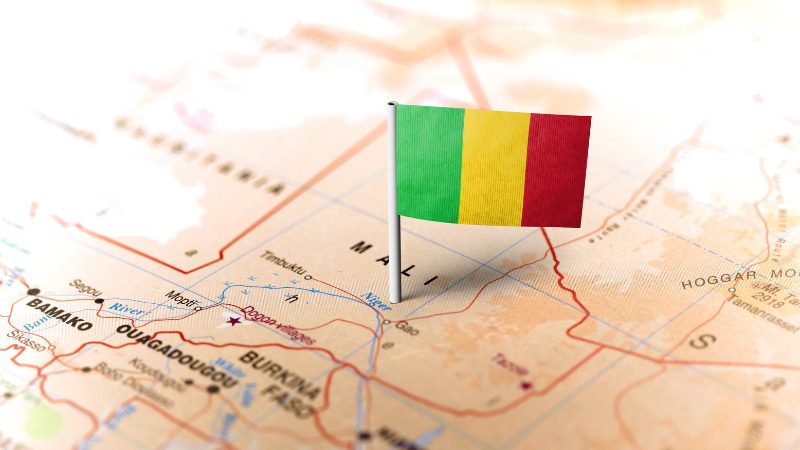
Historical Trends: Mali’s adult literacy rate increased from 30.62% in 2011 to 35.47% in 2018, reflecting efforts to improve education access. However, the recent decline indicates the vulnerabilities in the education system due to political instability, poverty, and limited resources.
Gender Disparities: There is a significant literacy gap between men and women, with female literacy rates considerably lower. Cultural norms, child marriage, and barriers to girls’ education exacerbate these disparities, limiting women’s opportunities to contribute fully to Mali’s social and economic development.
3. South Sudan
Aspect
Details
Adult Literacy Rate (Overall)
34.5% (2,258,139 literate, 4,800,295 illiterate)
Adult Male Literacy Rate
38.62% (1,365,294 literate, 2,169,538 illiterate)
Adult Female Literacy Rate
25.34% (892,846 literate, 2,630,756 illiterate)
Youth Literacy Rate (15-24, Overall)
44.33%
Youth Literacy Rate (Male)
46.89%
Youth Literacy Rate (Female)
41.74%
Population Affected by Illiteracy
4.8 million adults remain illiterate
South Sudan’s literacy rates reflect severe educational challenges, with only 34.5% of adults able to read and write, as reported by Countrymeters. Among males, literacy stands at 38.62%, while for females, it is significantly lower at 25.34%, highlighting stark gender disparities.
View this post on Instagram
Youth Literacy: The youth literacy rate (ages 15-24) is slightly higher at 44.33%, with 46.89% of young men and 41.74% of young women literate. This suggests progress among younger populations, but gender gaps persist, limiting opportunities for women and girls (Countrymeters).
Population Impact: Approximately 4.8 million adults remain illiterate, underscoring the urgent need for expanded access to quality education. Conflict, displacement, and a lack of infrastructure have hindered consistent education, with many children and adults unable to attend school, creating a generational cycle of illiteracy (UNESCO UIS).
4. Niger
Aspect
Details
Region
Sub-Saharan Africa
Adult Literacy Rate (2025)
19.1%
Youth Literacy Rate (15-24)
~36%
Adult Male Literacy Rate
39%
Adult Female Literacy Rate
23%
Historical Literacy Trends
Consistently lowest globally
Gender Gap in Literacy
Severe: female literacy is far below male literacy
Key Barriers
Extreme poverty, child marriage, and limited school access
Niger has the lowest adult literacy rate globally at 19.1%, as highlighted by Data Pandas and UNESCO UIS. Despite some modest gains in youth literacy (~36%), the gender disparity remains stark, with female literacy at 23% and male literacy at 39%.
Gender Disparities: High rates of child marriage (over 76% of girls married before 18) and poverty significantly limit girls’ educational opportunities, reinforcing intergenerational illiteracy as noted by the World Bank.
Systemic Barriers: According to UNESCO UIS, factors such as severe underfunding, teacher shortages, and a lack of rural infrastructure hinder efforts to improve literacy, maintaining Niger’s position as the lowest globally.
5. Guinea
Aspect
Details
Region
Sub-Saharan Africa
Adult Literacy Rate
30.5%
Youth Literacy Rate (15-24)
~55%
Adult Male Literacy Rate
~38%
Adult Female Literacy Rate
~22%
Historical Literacy Trends
Slight gradual improvement
Gender Gap in Literacy
Large female populations are significantly lower
Key Barriers
Resource scarcity, cultural resistance, and weak infrastructure
Guinea’s adult literacy rate is 30.5%, with female literacy around 22% and male literacy approximately 38%, as noted by World Atlas.
Youth Literacy: Youth literacy (~55%) shows progress, indicating that recent initiatives have positively impacted younger generations, although gender disparities persist.
Challenges: Cultural resistance to girls’ education, poverty, and inadequate educational infrastructure limit sustained literacy growth.
6. Central African Republic
Aspect
Details
Region
Sub-Saharan Africa
Adult Literacy Rate
36.8%
Youth Literacy Rate
~55%
Adult Male Literacy Rate
~49%
Adult Female Literacy Rate
~24%
Historical Literacy Trends
Gradual increases interrupted by conflict
Gender Gap in Literacy
Severe disparities
Key Barriers
Political instability, poverty, and a lack of schools
The Central African Republic’s literacy rate stands at 36.8%, with large disparities between genders (female literacy around 24% and male literacy near 49%), according to World Atlas.
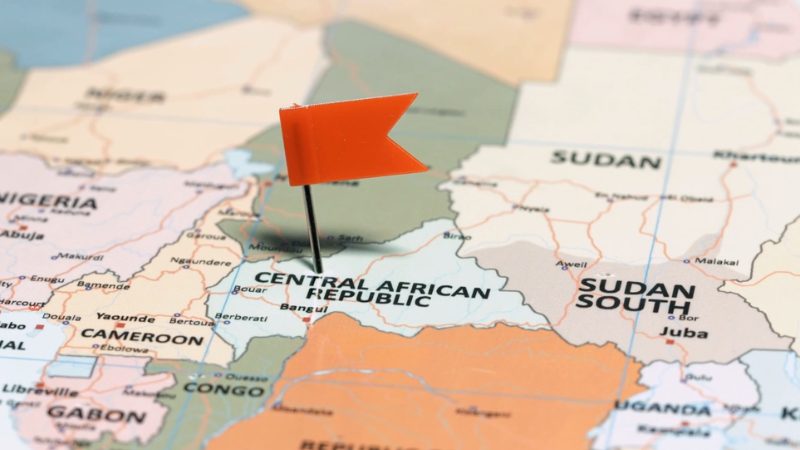
Impact of Conflict: Recurrent conflicts have disrupted education, destroyed infrastructure, and displaced families, severely limiting consistent schooling (UNESCO UIS).
Youth Literacy: With youth literacy at ~55%, there are signs of improvement among younger populations, but ongoing instability threatens these gains.
7. Burkina Faso
Aspect
Details
Region
Sub-Saharan Africa
Adult Literacy Rate
37.8%
Youth Literacy Rate
~59%
Adult Male Literacy Rate
~50%
Adult Female Literacy Rate
~27%
Historical Literacy Trends
Steady but slow improvement
Gender Gap in Literacy
Persistent, with lower female rates
Key Barriers
Poverty, rural limitations, and gender inequality
Burkina Faso’s literacy rate is 37.8%, with a clear gender divide: female literacy at ~27% and male literacy at ~50% by WB.
Youth Progress: Youth literacy is higher (~59%), indicating positive trends in access among younger cohorts despite challenges.
Structural Barriers: Persistent poverty, inadequate school facilities, and gender-based disparities limit the pace of literacy gains.
8. Somalia
Aspect
Details
Region
Sub-Saharan Africa
Adult Literacy Rate
37.8–41%
Youth Literacy Rate
~50%
Adult Male Literacy Rate
54%
Adult Female Literacy Rate
22%
Historical Literacy Trends
Severely affected by conflict
Gender Gap in Literacy
Significantly, female rates are much lower
Key Barriers
Conflict, nomadic lifestyles, and cultural barriers
Somalia’s literacy rate ranges between 37.8% and 41%, with male literacy at 54% and female literacy at only 22%.
53.7% of Somali adults have achieved functional literacy and numeracy skills according to the #SNBS released SIHBS 2022 Report. For more, please visit the SNBS website on https://t.co/RhCTSTJgI9 @SharmarkeFarah @abdirahm_omar pic.twitter.com/aXs17iGqYB
— Somalia National Bureau of Statistics (@NBS_Somalia) March 5, 2023
Youth Literacy: Around 50% youth literacy indicates some progress, but nomadic lifestyles and instability hinder consistent school attendance.
Conflict Impact: Decades of conflict have destroyed educational infrastructure, creating generational cycles of illiteracy, as highlighted by UNESCO.
9. Afghanistan
Aspect
Details
Region
South Asia
Adult Literacy Rate
38.2%
Youth Literacy Rate
~65%
Adult Male Literacy Rate
55%
Adult Female Literacy Rate
24%
Historical Literacy Trends
Interrupted by ongoing conflicts
Gender Gap in Literacy
Severe female underrepresentation
Key Barriers
Conflict, gender restrictions, and poverty
Afghanistan’s adult literacy rate is 38.2%, with female literacy at 24% and male literacy at 55%.
Youth Literacy: Youth literacy (~65%) suggests improvement among younger populations, but the gender gap remains stark.
Barriers: Ongoing conflict, poverty, and cultural restrictions, particularly against girls’ education, continue to limit literacy gains, according to UNESCO.
10. Benin
Aspect
Details
Region
Sub-Saharan Africa
Adult Literacy Rate
38.5%
Youth Literacy Rate
~65%
Adult Male Literacy Rate
~50%
Adult Female Literacy Rate
~27%
Historical Literacy Trends
Slow but steady improvement
Gender Gap in Literacy
Persistent gender gap
Key Barriers
Rural poverty, school accessibility
Benin’s adult literacy rate is 38.5%, with female literacy at ~27% and male literacy at ~50%, according to UNESCO stats.

Youth Literacy: Youth literacy rates (~65%) reflect improvements in educational outreach among younger generations, while gender disparities persist.
Persistent Challenges: Rural poverty and limited educational infrastructure remain significant barriers to further literacy gains.
Conclusion
The literacy landscapes in Chad, Mali, and South Sudan demonstrate the complex barriers these countries face in advancing education:
According to UNESCO UIS and Macrotrends, overcoming these challenges will require targeted interventions, including gender-focused programs, improved teacher training, and infrastructure rebuilding, paired with community engagement to address cultural barriers.
Countries such as Finland and Japan, which report some of the highest literacy rates in the world, have achieved this progress through long-term investments and strong public commitment to education.
Investments in education are vital for breaking the cycle of poverty and fostering inclusive development in these countries. Without prioritizing literacy and education, these nations risk further economic marginalization in the global landscape, leaving millions without the skills necessary to improve their lives and contribute to their societies.