
Persuasive speaking holds major importance in classrooms, debates, and real-life discussions. Students gain more than just presentation skills; they build confidence, critical thinking, and influence.
- Ethos: Establishes speaker credibility and trust
- Pathos: Appeals to emotions, values, and experiences
- Logos: Uses logic, reasoning, and evidence
Topic selection plays a crucial role in speech effectiveness. Consider these factors:
- Relevance to current events and audiences
- Controversial or thought-provoking angle
- Clear supporting evidence
- Personal connection or interest
Without further ado, let us begin.
Technology and AI

Technological advancements and the rise of artificial intelligence are transforming nearly every aspect of daily life, from how we communicate and work to how we make decisions and access services. For students, this topic opens a wide window into both opportunity and challenge.
As machines become more capable of performing tasks that were once exclusively human, such as language translation, image recognition, and even content creation, debates emerge around ethical responsibility, economic impact, and the shifting role of human input.
Artificial intelligence offers vast benefits: it can automate tedious tasks, enhance productivity, improve healthcare outcomes, and assist in tackling climate change through smart data analysis.
At the same time, concerns grow about data privacy, surveillance, algorithmic bias, job displacement, and the potential misuse of autonomous systems.
- Should AI-generated content be banned from art competitions?
- Is facial recognition an invasion of privacy?
- Should students be allowed to use ChatGPT in school?
- Can robots replace teachers in the future?
- Should tech companies be taxed for automation job losses?
- Is virtual reality harmful to social development?
- Should schools teach basic coding from grade school?
- Should screen time for minors be legally limited?
- Are smart devices listening too closely?
- Should biometric data be protected under privacy laws?
- Should AI be allowed to make decisions in legal or medical fields?
- Should social media platforms use AI to detect and delete hate speech?
- Should drone delivery systems be allowed in residential neighborhoods?
- Is dependence on navigation apps reducing cognitive ability?
- Should AI be credited as co-authors in creative work?
- Should governments ban AI facial reconstruction for surveillance purposes?
- Should there be limits on deepfake technology for entertainment?
- Can AI help reduce bias in hiring practices, or will it make them worse?
- Should there be age restrictions for VR gaming systems?
- Should large language models be open source or strictly regulated?
Environment and Sustainability
Sustainability efforts require bold ideas, ideas that challenge the status quo, inspire systemic change, and demand cooperation across industries, governments, and communities.
Environmental issues go far beyond tree planting and recycling campaigns; they intersect with energy policy, urban planning, food systems, and economic justice.
Environmental topics invite passionate arguments because they’re inherently political, deeply personal, and often polarizing. Debates rage over carbon taxes, fossil fuel divestment, corporate accountability, climate reparations, and global treaties like the Paris Agreement.
- Should plastic be banned globally?
- Is climate change the biggest threat to humanity?
- Should governments subsidize electric cars?
- Should public transportation be free to cut emissions?
- Is nuclear power a sustainable energy solution?
- Should fast fashion be considered an environmental crime?
- Should individuals face penalties for littering?
- Should carbon footprint labels be required on products?
- Can meat consumption be ethically taxed?
- Should tree planting be a legal requirement for businesses?
- Should climate denial be treated as disinformation?
- Should airlines be forced to offset their carbon emissions?
- Should bottled water be banned in schools and public buildings?
- Should fossil fuel advertising be outlawed?
- Should developed countries be held more accountable for global emissions?
- Should all new buildings be required to use solar panels?
- Should beaches be closed seasonally for ecological restoration?
- Should oil drilling be permanently banned in protected areas?
- Should governments offer cash incentives for home composting?
- Should climate education be mandatory in all schools?
Education and Student Life

Academic life impacts nearly every individual at some point, making it one of the most universally relatable topics for persuasive speeches. Education shapes not only a student’s knowledge base but also their values, behaviors, and outlook on society.
As such, schools are more than institutions, they’re microcosms of broader societal trends, debates, and transformations.
Classroom environments, grading systems, and extracurricular opportunities often spark intense opinions.
These are not just idle questions; they reflect deeper beliefs about fairness, equality, and what it means to be “prepared” for life after graduation. Students are directly affected by these policies, making them passionate and informed advocates for change.
Beyond policy, student life offers a wide range of persuasive angles. Dormitory conditions, mental health support, bullying, athletic programs, teacher-student relationships, and school safety are just a few areas where opinions run deep and evidence can be compelling.
- Should college be free?
- Should homework be abolished in high school?
- Is online learning as effective as in-person?
- Should school start times be delayed?
- Should grades be replaced with written feedback?
- Are standardized tests harming education?
- Should financial literacy be a graduation requirement?
- Should students have more say in curriculum decisions?
- Should gap years be encouraged after high school?
- Should physical education be mandatory every year?
- Should private schools receive government funding?
- Should schools offer meditation instead of detention?
- Is the traditional classroom model outdated?
Health and Wellness
Health and wellness remain essential areas of advocacy, especially among students navigating academic pressures and societal expectations. Engaging in this category allows students to promote not only personal well-being but also broader access to healthcare, mental health resources, and systemic reforms.
Issues like nutrition, exercise, chronic illnesses, and preventive care highlight how students can influence policies related to healthier school lunches, sports programs, or community fitness initiatives.
Topics could include obesity awareness, the impact of vaping or substance abuse, or promoting active lifestyles in sedentary environments.
Mental wellness is increasingly prioritized, with more students addressing stress, anxiety, depression, and burnout.
Campaigns might focus on improving access to school counselors, normalizing conversations around therapy, or tackling the rise of social media-induced anxiety. Student advocates may push for mental health days, peer support systems, or educational reform to ease academic pressures.
- Should junk food be taxed like cigarettes?
- Should mental health days be mandatory in schools?
- Is alternative medicine as effective as conventional?
- Should sugary drinks carry warning labels?
- Should vaccination be required for school enrollment?
- Should schools offer free menstrual products?
- Should gym memberships be subsidized by employers?
- Is sleep deprivation a national health issue?
- Should wearable fitness devices be used in schools?
- Should meditation be taught in classrooms?
- Is it ethical for doctors to refuse treatment to anti-vaxxers?
- Should smoking be banned in all public places?
- Should schools implement mandatory nutrition classes?
- Should cosmetic surgery ads be restricted for teens?
- Should fast food chains limit portion sizes by law?
- Should mental health screenings be part of school physicals?
- Should processed food labels include mental health risk factors?
- Should emotional support animals be allowed in all public venues?
- Should schools provide annual dental checkups?
- Should sugar consumption be capped by national guidelines?
- Should the sale of energy drinks to minors be banned?
Social Media and Digital Life
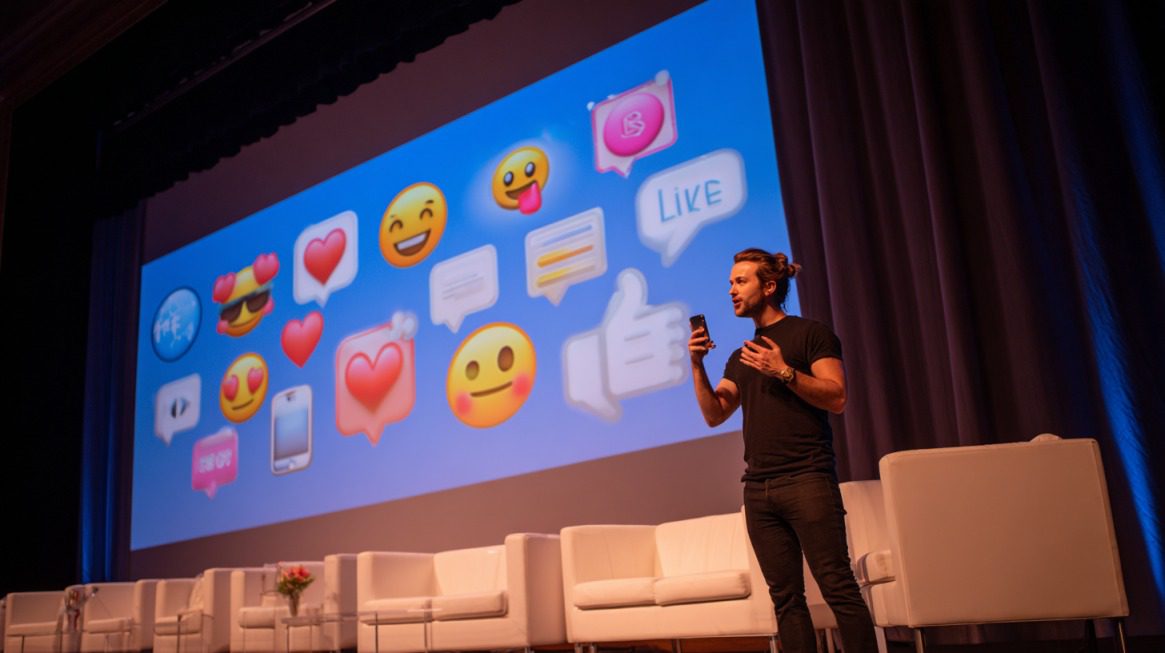
Social media has evolved into far more than just a space for casual updates and socializing. It now serves as a powerful tool that shapes cultural norms, individual behavior, and even societal values.
Platforms like Instagram, TikTok, X (formerly Twitter), and Facebook influence how people communicate, what they believe, and how they perceive themselves and others.
These networks are no longer passive; they actively mold discourse through algorithms that reward attention-grabbing content, emotional reactions, and viral trends.
A major component of social media’s impact lies in identity formation. Users, particularly adolescents and young adults, often craft online personas that may only partially reflect their offline realities. Likes, comments, and shares can serve as a digital form of validation or rejection, shaping self-worth in subtle and powerful ways.
The pressure to maintain a curated image or constantly generate content can cause anxiety, reduce self-esteem, and distort one’s sense of authenticity.
- Should there be an age limit for using TikTok?
- Are influencers responsible for promoting unrealistic lifestyles?
- Should schools ban smartphones?
- Should screen time be included in annual health checkups?
- Should social media filters be banned for minors?
- Should anonymous accounts be banned to reduce cyberbullying?
- Should parents have access to their children’s social media?
- Should social media companies be responsible for mental health harm?
- Is digital detox a necessary school program?
- Should algorithms be regulated by the government?
- Is cancel culture a form of bullying?
Law, Government, and Policy
Government structures, legislative decisions, and public policy shape nearly every aspect of society, from personal freedoms and economic regulations to education systems and environmental protections.
For students, this area offers a powerful platform to critically assess how laws are made, interpreted, and enforced, and to explore their real-world impacts on individuals and communities.
Studying legal and governmental topics allows for a deeper investigation into current events and historical developments alike. Students might examine the balance of power among the executive, legislative, and judicial branches, assess the role of federalism in state-level decision-making, or explore how international law influences national sovereignty.
This field also invites debate. Whether advocating for civil liberties, challenging outdated laws, analyzing the influence of lobbying and campaign financing, or defending constitutional principles, students develop skills in logical reasoning, persuasive writing, and ethical analysis.
- Should voting be mandatory?
- Should the electoral college be abolished?
- Should hate speech be protected under free speech laws?
- Should politicians have term limits?
- Should the drinking age be lowered to 18?
- Should governments censor online content?
- Should felons regain voting rights after serving time?
- Should military service be compulsory?
- Should lawmakers take standardized tests on the bills they pass?
- Should Supreme Court justices have term limits?
- Should jury duty be paid at minimum wage?
Ethics and Bioethics
As science continues to push boundaries, mapping genomes, cloning animals, and designing artificial embryos, longstanding ethical frameworks are frequently tested and sometimes shattered.
Ethical debates often emerge in response to developments in biotechnology, medical research, and artificial intelligence.
For instance, CRISPR gene-editing technology opens the door to curing genetic disorders, but it also raises concerns about “designer babies” and the potential for eugenics.
Bioethics, a specialized field within ethics, plays a critical role in navigating these concerns. It examines the implications of scientific discoveries for individuals, societies, and ecosystems.
Topics such as cloning, stem cell research, euthanasia, human experimentation, and data privacy in digital medicine are all central to modern bioethical inquiry. Philosophers, scientists, and policymakers must work together to strike a balance between innovation and moral responsibility.
- Is gene editing ethical?
- Should euthanasia be legalized worldwide?
- Should animal testing be banned?
- Should cloning be used to bring back extinct species?
- Should parents choose their baby’s traits through technology?
- Should life sentences replace capital punishment?
- Should companies own rights to human DNA sequences?
- Is it ethical to use facial recognition in law enforcement?
- Should surrogates be compensated as full-time workers?
- Should moral philosophy be taught alongside science?
Economy and Work
As students prepare to enter the workforce, they are stepping into a complex and rapidly evolving economic landscape. Conversations around economy and work are not distant adult matters; they are immediate and pressing, especially as many students already hold part-time jobs or contribute to family incomes.
Work culture encompasses the values, expectations, and conditions that define how people work. This includes everything from traditional 9-to-5 office norms to remote work flexibility and gig economy arrangements.
Students can reflect on what kind of work environment they hope to join and how that aligns with mental health, work-life balance, and personal fulfillment.
Economic fairness raises questions about equity and opportunity.
- Should there be a 4-day workweek?
- Should unpaid internships be illegal?
- Is universal basic income a good idea?
- Should CEOs have a maximum salary cap?
- Should gig workers receive full employment benefits?
- Should tipping be abolished?
- Should minimum wage be tied to inflation?
- Should people receive tax breaks for working remote jobs?
- Should employers pay for relocation costs?
- Is college still worth the cost in today’s job market?
- Should workers vote on major company policies?
Sports and Athletics

Sports captivate millions worldwide, sparking intense passion, camaraderie, and debate. Far more than just games, sports shape culture, identity, and social norms. They offer a rich ground for persuasive arguments, with topics that delve into ethics, performance, equity, and policy.
Professional sports leagues like the NFL, NBA, FIFA, and the Olympics are global institutions, often generating billions in revenue. But along with the spectacle comes controversy: issues like gender pay gaps, drug use, racial discrimination, player safety, and corruption frequently surface.
Should professional athletes be held to higher moral standards than the average person? Should performance-enhancing drugs be legalized under strict medical supervision?
- Should college athletes be paid?
- Should sports betting be legal nationwide?
- Should dangerous sports like boxing be banned?
- Should trans athletes compete based on gender identity?
- Should cheerleading be recognized as a sport?
- Should performance-enhancing drugs carry lifetime bans?
- Should high school athletes undergo mental health screenings?
- Should Olympic athletes be allowed political protests on the podium?
- Should esports be treated like traditional sports?
- Should children be allowed to play tackle football?
- Should athletes be required to finish college before turning pro?
Mental Health
Mental health has become a central concern on college campuses and in school systems across the globe. Although awareness has grown significantly, there remains a serious gap between recognizing mental health as important and actually providing adequate support.
Issues such as depression, anxiety, burnout, and suicidal ideation continue to affect students at alarming rates, yet institutional responses often lag behind.
Students can be powerful agents of change in this space. Advocacy begins by calling for comprehensive mental health policies at their schools, policies that go beyond crisis intervention to include preventative care, long-term counseling availability, and mental health education.
Many campuses are still understaffed in their counseling centers, leaving students waiting weeks to get an appointment.
- Should therapy be offered in every school?
- Is social media worsening teenage depression?
- Should employers provide mental health days?
- Should mental health education be required in schools?
- Should insurance cover all forms of therapy?
- Should schools have quiet rooms for stress relief?
- Should trigger warnings be required in college classes?
- Is labeling mental illness in children helpful or harmful?
- Should mental health checks be required for gun purchases?
- Should students be allowed mental health leave from college?
Arts, Culture, and Music
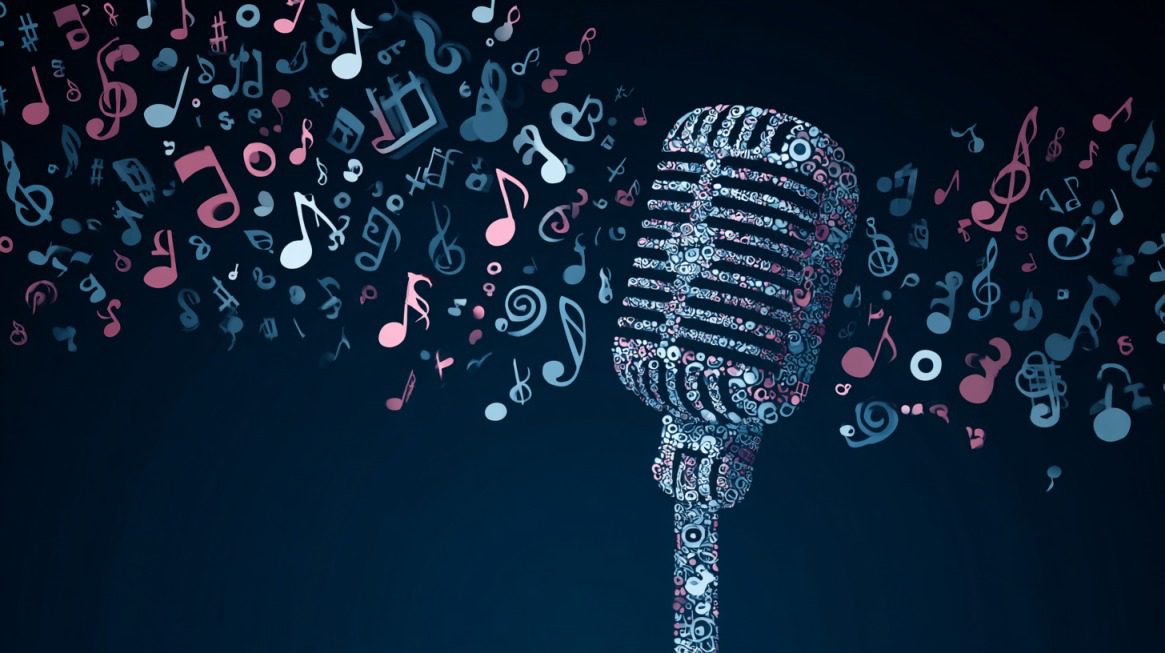
Creative expression, through art, literature, music, dance, theater, and digital media, serves as a mirror to the soul of a society. It encapsulates historical narratives, current dilemmas, and visions of the future. In every brushstroke, lyric, and rhythm, cultures express their identity, resilience, and change.
The arts preserve collective memory while also challenging social norms, giving voice to marginalized perspectives, and sparking public debate.
Culture has always been a space for both celebration and contention. Today’s cultural discussions are intensely shaped by issues such as identity politics, the ethics of cultural appropriation, and the ongoing struggle for inclusion and representation in creative industries.
Technological advancements, like AI-generated art, NFTs, and streaming algorithms, add further complexity to questions about authorship, authenticity, and economic fairness for creators.
- Should graffiti be considered art?
- Should musicians use their platforms for activism?
- Is AI-generated music still music?
- Should art created with public funds be free to view?
- Should streaming services pay artists more?
- Should schools make arts education mandatory?
- Should offensive lyrics be censored?
- Should NFTs be considered art assets?
- Should cultural appropriation in fashion and music be penalized?
- Should museums return artifacts to their countries of origin?
- Should traditional art forms receive more public funding than digital media?
- Should national anthems be rewritten to reflect modern values?
- Should music videos with explicit content be age-restricted by law?
- Should fan art be protected as fair use?
- Should music be used in political campaigns without artist approval?
- Should fashion be classified legally as artistic speech?
- Should books with outdated social views remain in school libraries?
- Should comedy be held to the same social standards as drama?
- Should AI be allowed to replicate the voices of dead artists?
- Should performance art be used to protest public policy?
Business and Marketing
Business and marketing have a profound impact on modern society, not just in economic terms, but in shaping public perception, ethical norms, and cultural values.
Corporate behavior often reflects, reinforces, or even challenges societal expectations, and marketing acts as the voice that communicates those choices to the public. Together, they form a powerful system of influence that extends far beyond product sales.
Consumer trust is a vital currency in the world of business. Ethical marketing practices, such as transparency in advertising, honest representation of products, and respect for consumer privacy, help companies build long-lasting relationships with their audiences.
On the flip side, deceptive practices like greenwashing, hidden fees, or manipulative messaging can damage a brand’s credibility. Businesses today must carefully balance persuasion with honesty, as digital-savvy consumers are quick to call out misleading behavior.
- Should companies be fined for greenwashing?
- Are celebrity endorsements misleading?
- Should fast fashion be banned?
- Should companies be required to donate a percentage of profits?
- Should advertisements during children’s programs be regulated more strictly?
- Should social media ads require visible disclaimers?
- Should multi-level marketing be outlawed?
- Should businesses be rated publicly on employee satisfaction?
- Is product placement in movies ethical?
- Should targeted advertising be banned?
- Should businesses disclose the carbon footprint of their products?
- Should company CEOs be personally liable for corporate fraud?
- Should employers be required to publish salary ranges on job ads?
- Should green certifications be regulated by government bodies?
- Should customer reviews be verified before being posted?
- Should advertisements be banned in public schools?
- Should companies lose tax benefits for exploiting offshore labor?
- Should seasonal sales be limited to reduce overconsumption?
- Should influencer sponsorships be registered and trackable by law?
- Should loyalty programs be classified as manipulative marketing?
Media and Journalism

Information shapes how societies think, behave, and vote. In modern democracies, the media acts as a conduit between reality and perception, holding immense power to frame narratives and set public agendas. Journalism, ideally, serves as a watchdog, exposing corruption, holding the powerful accountable, and informing the citizenry with facts.
But in practice, things often get more complicated.
Media institutions are not neutral monoliths; they are run by humans, influenced by corporate interests, political affiliations, and social pressures. Accuracy can be compromised not just by outright misinformation but by subtle choices, what to report, what to omit, how to headline a story, and whose voices to include.
Bias can be ideological or structural, creeping in through editorial decisions and newsroom culture.
In an era of “fake news,” viral misinformation, and echo chambers, public trust in media has eroded significantly, making scrutiny more urgent than ever.
- Should fake news be criminalized?
- Should paparazzi laws be stricter?
- Do media outlets have a responsibility to remain unbiased?
- Should news websites be held accountable for user comments?
- Should headlines be regulated for clickbait tactics?
- Should celebrities be protected more from media intrusion?
- Should government fund independent journalism?
- Should journalists be allowed to withhold sources?
- Should deepfakes be legally classified as misinformation?
- Is the 24-hour news cycle hurting journalism?
- Should AI-generated news articles be labeled clearly?
- Should news platforms be required to feature opposing viewpoints?
- Should satirical news be marked as comedy to avoid confusion?
- Should tabloid journalism be restricted by law?
- Should journalists receive hazard pay in conflict zones?
- Should politicians fact-check ads before media broadcasts them?
- Should retraction notices be as visible as original headlines?
- Should paywalls on public interest stories be banned?
- Should social media platforms be liable for spreading misinformation?
- Should media companies be prevented from owning too many outlets in one region?
Relationships and Social Life
Relationships and social life serve as powerful lenses through which individuals understand themselves and the society around them.
In an age defined by hyperconnectivity, yet paradoxically marked by rising loneliness, the dynamics of how we form, maintain, and evolve personal connections have become central to public discourse.
Modern social behavior reflects a shift in how people interact, both in person and online.
What was once considered “oversharing” is now celebrated in some circles as radical honesty, while others question the erosion of boundaries and the performative nature of online relationships.
- Should schools teach relationship skills?
- Is online dating harming traditional romance?
- Should parents track their children’s location?
- Should friend breakups be addressed in counseling?
- Should workplace relationships be banned?
- Should arranged marriages be legally discouraged?
- Should love languages be taught in school?
- Should dating apps require background checks?
- Should schools have consent education starting in middle school?
- Should family therapy be tax-deductible?
Fashion and Lifestyle
Fashion is more than clothing; it’s a visual language that expresses individual identity, cultural values, political beliefs, and shifting societal norms.
Through garments, accessories, and styling choices, people communicate their sense of self, affiliations, and aspirations.
- Rebellion
- Creativity
- Conformity
High fashion, streetwear, and fast fashion each speak to different values: luxury and exclusivity, urban influence and accessibility, or affordability and rapid trend turnover.
Lifestyle, often intertwined with fashion, encompasses broader decisions about consumption, health, social habits, and ethical priorities. These choices increasingly stir public debate, especially when they influence younger generations or carry ecological consequences.
Veganism, minimalist living, slow fashion, and zero-waste practices are not just personal decisions; they also serve as public statements and, sometimes, provocations.
On the flip side, luxury consumption, fast fashion addiction, and influencer-fueled materialism prompt criticism for promoting unsustainable ideals and pressuring people to keep up with curated online lives.
- Should school uniforms be mandatory?
- Is sustainable fashion a passing trend or the future?
- Should influencers disclose editing in photos?
- Should animal fur be completely banned in fashion?
- Should models meet minimum health standards?
- Should children be banned from modeling?
- Should fast fashion companies be taxed for waste?
- Should thrift flipping be considered unethical?
- Should fashion magazines face fines for promoting unrealistic beauty standards?
- Should schools teach personal style as self-expression?
Food and Nutrition
Food and nutrition play a central role in shaping individual well-being, societal norms, healthcare costs, and even environmental sustainability.
The debate in this area extends far beyond what’s on the plate, it’s about how governments, corporations, and citizens interact with the food system and how their choices influence public outcomes.
Ethics in consumption is also on the table: factory farming, GMOs, food deserts, food labeling, and the environmental impact of mass food production all spark intense debate.
- Should soda be banned in schools?
- Is a vegetarian diet healthier?
- Should fast food advertising be banned during kids’ shows?
- Should calorie counts be required on all menus?
- Should GMOs be labeled more clearly?
- Should food deserts be treated as public health emergencies?
- Should processed meat have cancer warnings?
- Should students learn cooking in school?
- Should junk food taxes be higher in low-income areas?
- Should expiration dates be regulated federally?
Animals and Wildlife

Animal welfare is a deeply complex and often polarizing issue that cuts across cultural, ethical, and political boundaries. While many people support humane treatment and rights for animals, opinions diverge sharply when it comes to where the boundaries of those rights lie.
On one end of the spectrum are animal rights advocates who argue that animals deserve the same basic rights to life and freedom as humans.
They oppose not only animal cruelty and factory farming but also practices like zoos, circuses, and even pet ownership, claiming these infringe on the autonomy of animals.
On the other hand, there are those who believe humans have dominion over animals and can ethically use them for food, labor, or companionship, as long as basic welfare standards are met.
- Should exotic pet ownership be banned?
- Are zoos ethical?
- Should hunting be illegal?
- Should animal circuses be banned worldwide?
- Should animals have legal personhood in court?
- Should meat consumption be limited by law?
- Should police stop using K9 units?
- Should animal shelters receive more government funding?
- Should marine parks be closed permanently?
- Should pet breeders be licensed and monitored?
- Should animal cloning be prohibited?
- Should fishing competitions be banned?
- Should wildlife tourism be regulated more strictly?
- Should animal abusers be banned from pet ownership for life?
- Should vegan diets be encouraged through public campaigns?
- Should endangered species have protected legal zones?
Should factory farming be phased out?
Travel and Transportation
Human mobility, across cities, countries, and continents, shapes more than just personal experiences; it influences global economics, social dynamics, and environmental sustainability.
For students, understanding modern travel requires more than simply booking flights or commuting to class. It involves critical thinking about comfort, cost, convenience, and environmental responsibility. Air travel offers unmatched speed, but it’s also one of the largest contributors to greenhouse gas emissions.
Trains and buses might be slower, yet they often provide more eco-friendly alternatives and foster a closer connection to the communities passed along the way.
Travel also raises questions about equity. Who has access to fast and safe transportation? How does transportation policy shape urban development or perpetuate social divides? These are not just logistical issues, they’re deeply tied to economic opportunity and cultural exchange.
- Should airlines be taxed for emissions?
- Is space tourism irresponsible?
- Should governments promote local over international tourism?
- Should passports include climate impact data?
- Should cities ban cars in downtown zones?
- Should high-speed rail be prioritized over air travel?
- Should travelers pay extra for visiting fragile ecosystems?
- Should airports limit private jet use?
- Should car ownership be discouraged in large cities?
- Should tourism be capped in popular destinations?
- Should ride-sharing apps be regulated like taxis?
- Should biking infrastructure be prioritized in urban areas?
- Should fossil-fuel vehicles be banned by a certain year?
- Should tourism be suspended during ecological emergencies?
- Should airline loyalty programs be taxed as luxury perks?
- Should sleeper trains replace regional air travel?
Gender and Equality

Gender and equality remain dynamic and often divisive issues across society. Despite progress, fairness in law, education, the workplace, and media continues to provoke intense public discussion.
In the legal realm, debates over reproductive rights, equal pay legislation, and protections for LGBTQ+ individuals illustrate the complex intersections of gender and policy. In schools, discussions often center around curriculum inclusivity, gender-neutral policies, and addressing biases in both teaching and discipline.
At work, conversations about maternity/paternity leave, harassment policies, and equitable hiring practices are central to evaluating fairness and opportunity.
Media, meanwhile, serves as both a mirror and influencer of gender norms, often reinforcing stereotypes or, increasingly, challenging them through progressive narratives.
- Should the gender pay gap be criminalized?
- Should schools have gender-neutral bathrooms?
- Is feminism still necessary in 2025?
- Should beauty pageants be banned?
- Should menstrual leave be standard in all jobs?
- Should childcare be a shared legal obligation in divorces?
- Should advertising be gender-neutral by law?
- Should history classes include more women leaders?
- Should parental leave be equal regardless of gender?
- Should schools address toxic masculinity in health classes?
- Should gender quotas exist in government and corporate boards?
- Should toy stores avoid gender-based labeling?
- Should workplace dress codes be gender-neutral?
- Should boys be taught emotional education from early grades?
- Should trans athletes compete in professional leagues?
- Should media be fined for sexist portrayals?
Fun, Weird, and Light Topics
Humor, quirkiness, and unexpected ideas are powerful tools in persuasive writing. Lighthearted topics often draw people in precisely because they’re unconventional. They disarm the audience, lower resistance, and open the door for surprising insight or subtle persuasion.
The key is to balance the absurd or humorous with solid logic, emotional hooks, or creative angles.
These topics might start with something silly like “Should pineapple on pizza be a criminal offense?” or “What if squirrels ran the government?”, but a well-written piece on these can still showcase critical thinking, creativity, and even deep social commentary. Laughter and surprise have persuasive power because they engage the reader emotionally.
Once someone is laughing or curious, they’re also more likely to keep reading and to remember what you wrote.
- Should pineapple be banned from pizza?
- Should naps be part of the school day?
- Should students be allowed to bring pets to class?
- Should everyone have a mandatory karaoke session once a year?
- Should Mondays be outlawed?
- Should aliens have voting rights if they land peacefully?
- Should clowns require a license to perform?
- Should schools offer a class in meme literacy?
- Should cereal be legally classified as soup?
- Should pizza slices be regulated by geometry standards?
Tips for Choosing the Right Persuasive Speech Topic

Choosing the right topic determines how well the speech connects with listeners. A powerful topic isn’t just trendy because it reflects preparation, purpose, and passion.
- Know your audience: Think about their age, values, background, and interests. Avoid topics that disconnect due to complexity or irrelevance. Speak to their concerns and spark thought.
- Stay current: Choose something connected to real-world events or trending issues. Timeliness adds urgency and increases attention.
- Follow your passion: Select something you care about. Energy becomes visible when interest is genuine, and passion makes speeches more persuasive.
- Check the evidence: A good topic needs proof. Make sure credible sources are available so your argument doesn’t collapse under scrutiny.
- Balance the issue: Pick a topic with two clear sides. This gives you space to argue, defend, and refute while acknowledging opposing views.
- Avoid tired clichés: Some ideas feel overused or predictable. Aim for a fresh angle that offers something more than repetition.
How to Write and Present a Persuasive Speech
Powerful speeches follow a structure and deliver emotion, facts, and engagement. Writing is not just listing points, it’s building momentum and persuading with care.
| Section | Purpose and Key Elements |
|---|---|
| Introduction | Start with a hook (story, statistic, or question). State your argument early to give clarity. |
| Argument | Present your position clearly. Keep it focused, confident, and concise. |
| Evidence | Use facts, studies, expert opinions, or personal stories. Support all claims with substance. |
| Refutation | Address opposing views. Acknowledge counterpoints and respond with logic or emotion. |
| Conclusion | Summarize key points. End with a call to action, a memorable quote, or an emotional impact. |
Final Thoughts
Persuasive speech offers more than a platform to talk; it shapes ideas, invites debate, and builds leadership. Speaking with purpose trains students to think critically, listen closely, and argue respectfully.
Using speech to challenge opinions, ignite change, or inspire reflection adds meaning to education. Every student has a voice that can influence others.
Students who practice persuasive speaking develop confidence that lasts far past graduation. Advocacy begins with belief, preparation, and courage. In classrooms or on stages, bold voices lead progress.