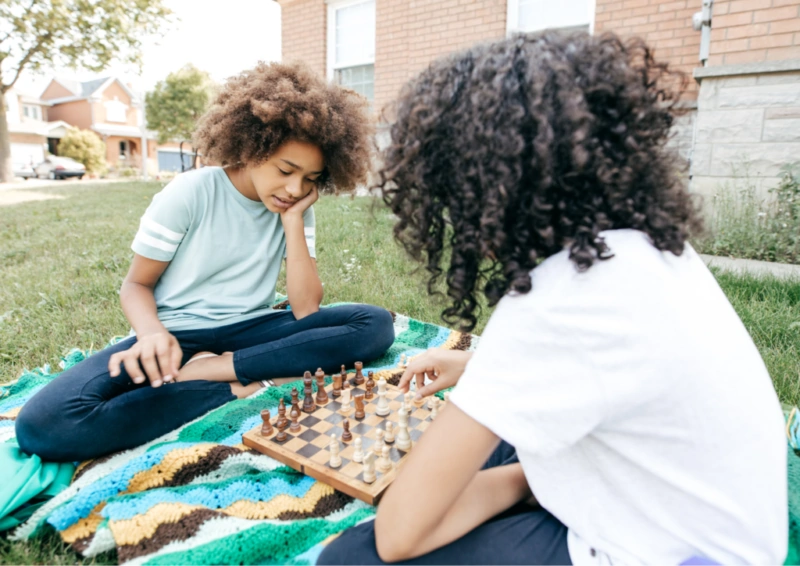
Every afternoon, there is a quiet fork in the road for children. One path leads to passive time, scrolling, snacking, and mental overload. The other leads to movement, structure, social interaction, and emotional release.
Research in child development shows that after school hours play a disproportionate role in shaping long term mental resilience and physical health. What children do between 3 pm and dinner often matters more than what happens during the school day itself.
The best after school activities are not about keeping kids busy. They help children regulate stress, build confidence, and reconnect with their bodies after hours of sitting and cognitive effort.
This guide focuses on options that genuinely support both mental and physical health, using varied formats so you can scan, pause, and absorb without fatigue.
1. Team Sports And The Power Of Shared Responsibility
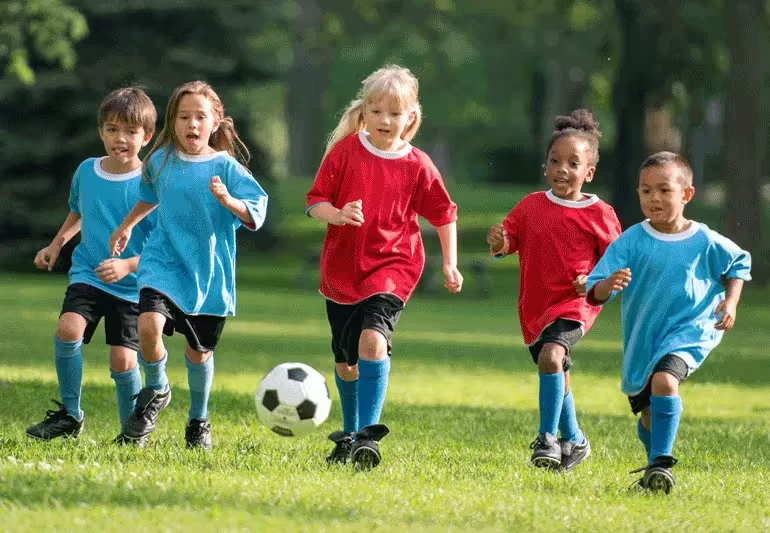
Team sports remain one of the most effective ways to combine physical exertion with emotional growth. Unlike individual activities, team environments introduce accountability, cooperation, and shared goals, all critical for mental development.
Children learn how to navigate wins and losses in real time. They experience frustration, recovery, and encouragement in a controlled setting. These emotional cycles mirror real life far more closely than classroom learning.
Key developmental advantages include:
- Cardiovascular exercise that supports energy regulation
- Social bonding through shared effort and routines
- Improved communication and conflict resolution
- Healthy exposure to competition without isolation
- Increased self confidence from visible skill progression
The most beneficial programs emphasize consistency and support rather than constant performance evaluation. When kids feel safe making mistakes, growth accelerates.
2. Swimming As A Whole Body Reset After School
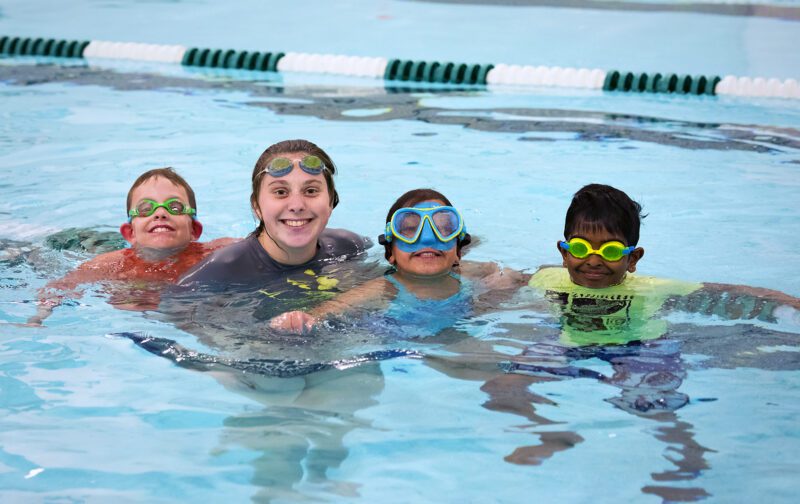
Swimming occupies a unique place among after school activities because it combines physical intensity with nervous system regulation. Water naturally slows movement and breathing, which helps children release mental tension accumulated during the school day.
Many families choose formal swimming lessons because structured instruction balances safety with gradual confidence building. Guided progression helps children feel comfortable in the water while developing essential skills.
What makes swimming particularly effective is its full body engagement without joint strain. Muscles work evenly, breathing becomes rhythmic, and sensory overload decreases rather than increases.
Important fact: Water-based activities are often recommended by pediatric therapists for children experiencing anxiety because repetitive movement paired with controlled breathing promotes parasympathetic nervous system activation.
This makes swimming both physically strengthening and emotionally calming.
3. Martial Arts And Emotional Self Regulation
Martial arts are often misunderstood as aggressive, but quality programs focus heavily on control, discipline, and internal awareness. For children who struggle with impulsivity or emotional intensity, this structure can be transformative.
Each session follows a predictable rhythm: warm up, technique practice, repetition, and reflection. This consistency builds emotional stability. Children learn how to pause, breathe, and respond rather than react.
Instead of listing benefits, consider this simple breakdown:
| Area of Development | Impact |
| Physical strength | Improved balance and coordination |
| Mental focus | Enhanced attention span |
| Emotional control | Better frustration management |
| Confidence | Calm self assurance |
The table shows why martial arts are not just physical training. They provide tools children use far beyond the mat, especially during emotionally charged situations.
4. Dance As A Bridge Between Expression And Fitness
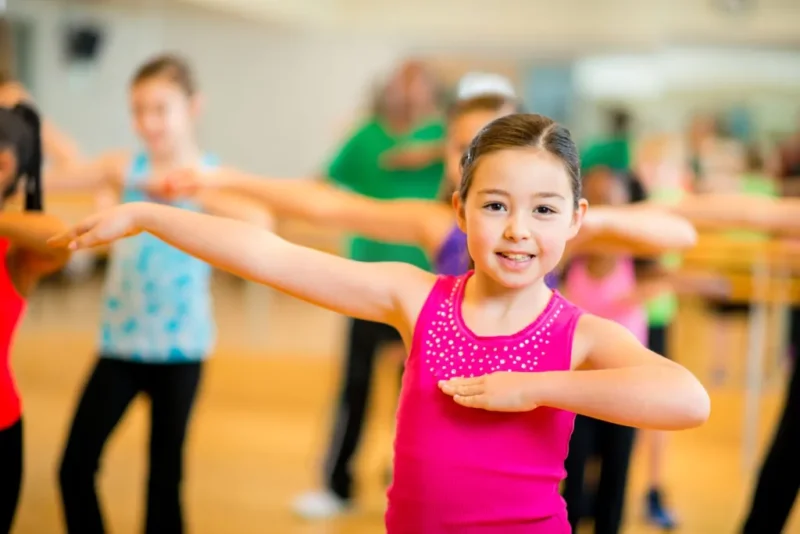
Dance programs support physical health while offering emotional expression that many children struggle to find elsewhere. Movement paired with music helps regulate mood and release stress without verbal processing.
Unlike competitive sports, dance allows children to explore rhythm and coordination at their own pace. This flexibility makes it especially beneficial for kids who feel pressure in performance driven environments.
Dance improves posture, flexibility, and cardiovascular endurance. More importantly, it fosters body awareness. Children learn how their movements affect space, balance, and flow.
Studies in movement psychology show that expressive movement improves emotional articulation in children who have difficulty verbalizing feelings.
Because dance blends creativity with physical effort, it supports both confidence and calmness. It is particularly effective for children who thrive in expressive, less rigid structures.
5. Outdoor Nature Programs And Mental Restoration
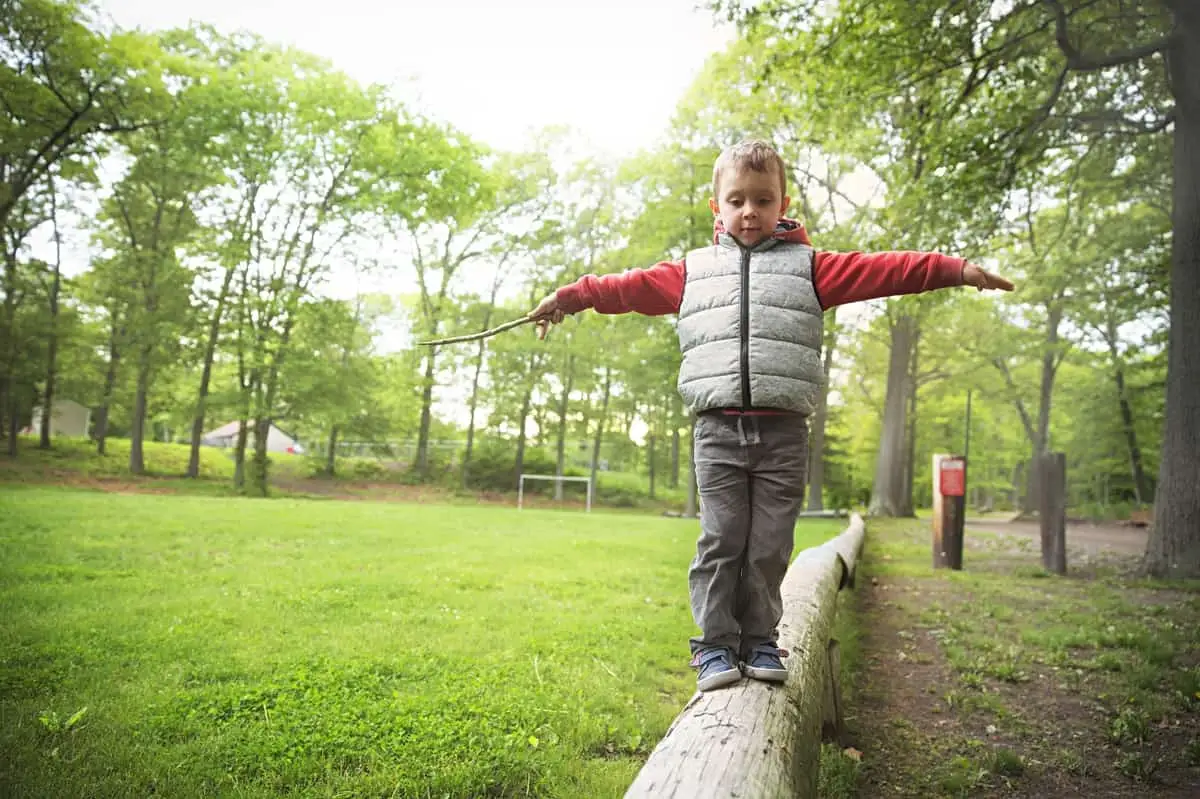
Spending time outdoors after school counterbalances the artificial environment of classrooms and screens. Nature based programs encourage physical movement while quietly restoring mental clarity.
Activities like guided hikes, outdoor exploration clubs, or environmental programs promote curiosity without pressure. Children move, observe, and interact with their surroundings rather than compete or perform.
Benefits tend to unfold gradually:
- Reduced mental fatigue
- Improved attention span
- Lower stress reactivity
- Enhanced problem solving through exploration
These programs are especially valuable for children who appear overstimulated after school. Natural settings reduce sensory overload and support emotional reset without requiring structured instruction or evaluation.
6. Music Programs And Cognitive Emotional Balance
Learning an instrument or participating in music groups engages the brain in complex but soothing ways. Music integrates fine motor skills, memory, emotional processing, and auditory focus.
Unlike passive listening, active music participation demands presence. Children must coordinate movement, timing, and sound, which strengthens neural connections related to concentration and emotional control.
Music programs often follow individual progress rather than comparison, which reduces performance anxiety. Children learn patience and persistence through practice.
Key principle: Musical training activates both hemispheres of the brain simultaneously, supporting emotional regulation and cognitive flexibility.
While music may not tire the body like sports, it offers a deep mental workout that balances emotional energy after school.
7. Creative Clubs And Low Pressure Social Development
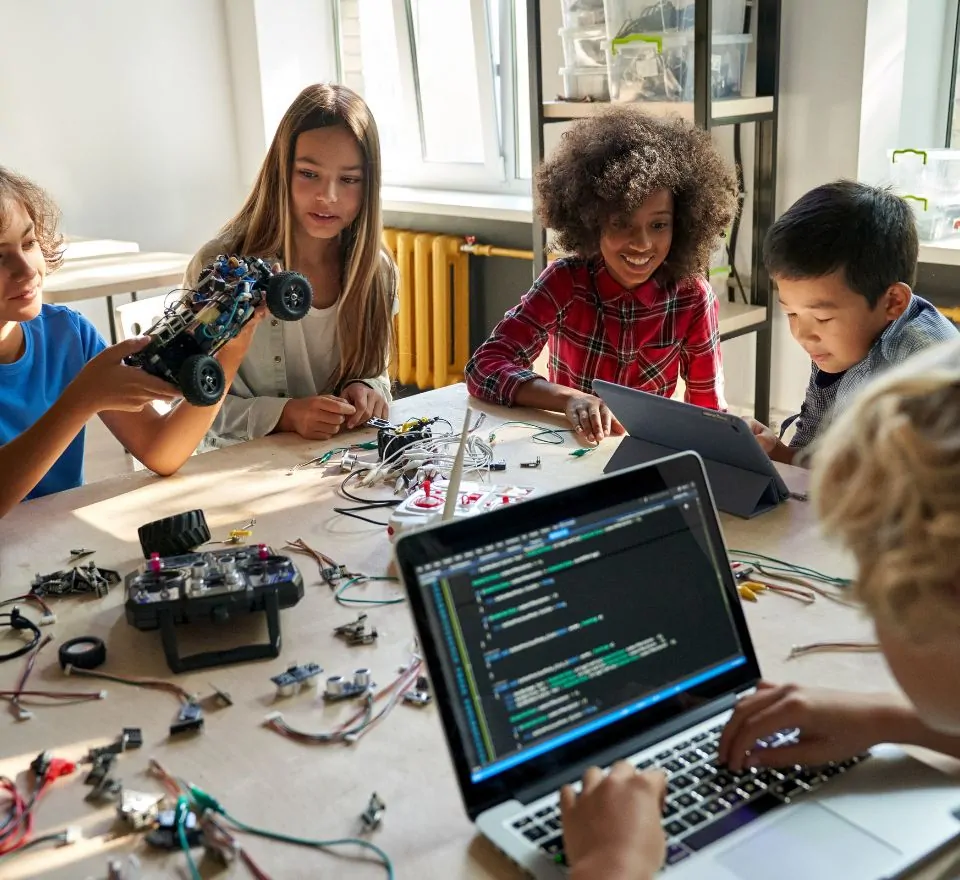
Creative clubs such as art, robotics, or writing groups provide a softer transition from school demands. These environments emphasize curiosity and experimentation rather than grades or rankings.
Children engage mentally without physical exhaustion, making these activities ideal for days when energy levels are low. Social interaction happens naturally through shared interests rather than forced collaboration.
Creative clubs help children:
- Build identity around interests
- Develop problem solving skills
- Express thoughts safely
- Connect socially without competition
This type of activity supports mental health by allowing children to feel competent and valued without constant evaluation.
Closing Thoughts
After school activities shape how children experience their days, not just how they fill their time. The most effective choices balance physical movement with emotional regulation, structure with freedom, and challenge with enjoyment.
There is no universal best activity. What matters is alignment with a child’s temperament, energy level, and emotional needs. When chosen thoughtfully, after school activities become a daily reset button, helping children move forward healthier, calmer, and more confident than when they left the classroom.