
It’s great to learn a new language, but it’s intimidating. Most of us think that the key is just sitting for hours, memorizing vocabulary and practicing grammar. But what if exercise could help you learn faster?
It might sound weird, but exercise does a lot more than keeping your body healthy; it can supercharge your brain and aid in learning a language (and even enjoy yourself while doing it).
How Exercising Boosts Your Language Skills
Learning a new language can feel overwhelming at times, but incorporating some simple habits can make the process much easier – and even fun:
1. Exercise Prepares Your Brain to Learn
Each time you take on something unfamiliar, your brain needs to create new connections between nerve cells, a process known as neuroplasticity.
Regular aerobic activities like jogging, cycling, or swimming help boost a protein called BDNF, which acts like fertilizer for the brain.
BDNF strengthens and grows those neural links, making it easier to absorb and retain information.
When your brain is well-prepared, language acquisition feels smoother. Words, grammar, and pronunciation flow in more naturally, almost like your mind has been primed to soak them up.
2. It Improves Memory, Focus, and Lowers Stress
View this post on Instagram
Learning a language demands good memory and attention, but stress can really get in the way.
When you’re stressed, your brain releases cortisol, which makes it harder to remember new information.
Exercise also helps by increasing blood flow to your head, which brings oxygen and nutrition that make your concentration and memory sharp.
And exercise releases endorphins, the brain’s natural “feel good” hormones, that calm your nerves and reduce anxiety.
When you’re relaxed and concentrated, you’re able to learn new things better and feel more confident in speaking practice.
3. Moving Helps You Learn
Static studying can be effective, but adding physical movement boosts retention by engaging more senses.
Movement activates multiple areas of the brain, strengthening memory and recall. You don’t need intense workouts during study sessions; even light activity helps.
Practical examples include:
For learners using digital resources, movement prevents fatigue and makes practice more immersive.
If access to content in your target language is restricted in your area, VPN stands for Virtual Private Network, and it can help by allowing you to reach broader, uncensored material.
That means you’ll study with authentic media instead of limited options.
4. Exercise Keeps Your Energy and Motivation High

Language learning requires persistence, and fatigue often derails consistency.
Exercise combats this by balancing chemicals such as serotonin and dopamine, which regulate motivation and mood.
Regular workouts leave you energized, more willing to engage in conversations, and less likely to skip practice.
Key motivational benefits of exercise include:
With energy and motivation supported by exercise, consistency becomes easier, and consistency is what drives progress in language learning.
5. It Offers Social Scenes to Practice
Language learning extends far past books and apps; it thrives in social interaction.
While solo study helps with grammar drills and vocabulary lists, real progress often comes through practice with others.
Exercise classes, sports clubs, or walking groups offer a natural environment where you can meet individuals who speak your target language.
Group activities remove the rigid atmosphere of formal study and replace it with something more enjoyable and interactive.
Instead of focusing on perfect sentence structure, you focus on the game, the workout, or the walk, and language slips into the experience organically.
You listen, respond, and adapt in real time, which mirrors how native speakers naturally use language every day.
Walking and talking, playing a sport, or joining a group workout makes language practice feel less like study and more like a connection.
How to Combine Exercise and Language Learning
@_netsworld_ Learning languages can be time consuming and you’re sat down for a long time?. I try to combine learning with almost everything I do now?? #languages #languagelearning #learninglanguages #polyglot ♬ Whistle While You Work – Rachel Zegler & Jason Kravits & George Salazar & Jeff Morrow & Andy Grotelueschen & Tituss Burgess & Martin Klebba & Jeremy Swift & Disney
Combining exercise with language learning can transform study sessions into something more dynamic and enjoyable.
Physical activity stimulates the brain, sharpens focus, and helps memory retention, while language practice benefits from that heightened state of alertness.
Rather than treating fitness and study as two unrelated tasks, weaving them together can give both structure and energy.
Exercise First Before Studying
Engaging in light cardio before sitting down to practice your target language prepares your brain for better absorption.
A short session of movement energizes the body and increases circulation, which supports mental clarity.
Instead of jumping straight into study mode, warming up with activity primes the mind to process new information more efficiently.
Some practical options include:
Listen While You Move

Pairing movement with passive listening is one of the simplest ways to maximize time.
Exercise sessions, commutes, or household chores can double as study opportunities when you add listening practice in your target language.
By filling these moments with audio input, you expose yourself naturally to pronunciation, sentence rhythm, and vocabulary in context.
Some effective methods include:
Act Out Words or Use Gestures
Adding physical movement to vocabulary practice strengthens memory through multiple sensory connections.
Gestures and actions are especially helpful for verbs, emotions, and daily activity words.
Instead of memorizing in silence, act them out to reinforce meaning.
Helpful approaches include:
Join Group Activities in Your Target Language
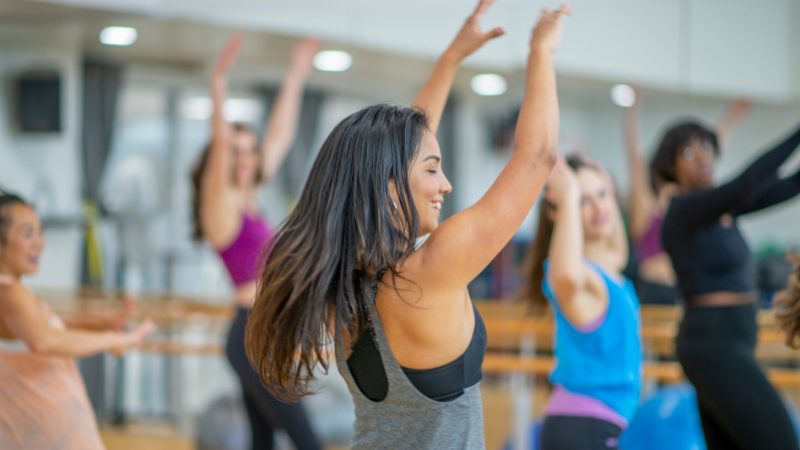
Social activities that involve movement provide a chance to combine exercise with real-world conversation.
Being part of a group creates natural situations where listening and speaking practice flow without forced drills.
Depending on your location, you might explore:
The focus on movement reduces the pressure to speak perfectly, making it easier to participate and gain confidence.
Add Breathing and Pronunciation Exercises
Breath control plays an important role in both physical training and speaking clearly.
Merging breathing drills with language study helps improve pronunciation while also keeping the body relaxed.
Consider integrating:
Combine Reading with Light Movement

Not all practice needs to be intense.
Reading simple texts in your target language while pacing around or standing can engage the body and prevent fatigue that often comes with sitting still.
Useful techniques include:
Wrap-Up
So, to speed up language learning, don’t just sit and read – move!
Exercise not only improves the way your brain works but also reduces stress, boosts motivation, and gives you more chances to practice.